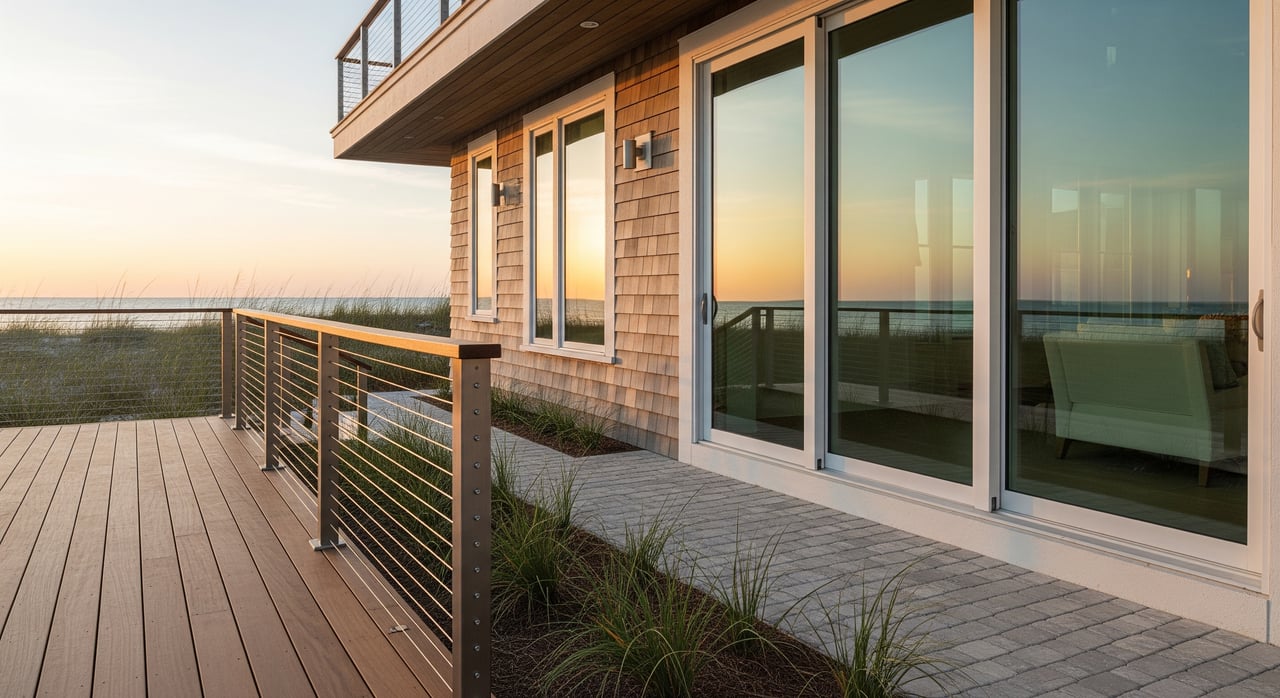
Coastal-Ready Materials Buyers Look For on 30A
January 15, 2026
January 15, 2026
Salt, sun, and storms make 30A living special and challenging. If you own or plan to buy in Seagrove, you know the Gulf can be hard on homes, from salt spray and UV to wind and flying debris. Choosing the right materials protects your investment, reduces upkeep, and boosts resale appeal. In this guide, you’ll learn which coastal‑ready materials perform best on 30A, how they affect insurance and maintenance, and what documentation buyers look for. Let’s dive in.
Seagrove homes face salt‑laden air, high UV exposure, humidity, and seasonal storms. Those conditions accelerate corrosion, fade finishes, and stress assemblies like roofs, windows, and decks. The Florida Building Code sets wind design and windborne‑debris standards that shape material choices and installation methods. When you pair code‑approved products with smart detailing and routine maintenance, you get longer service life and stronger buyer confidence.
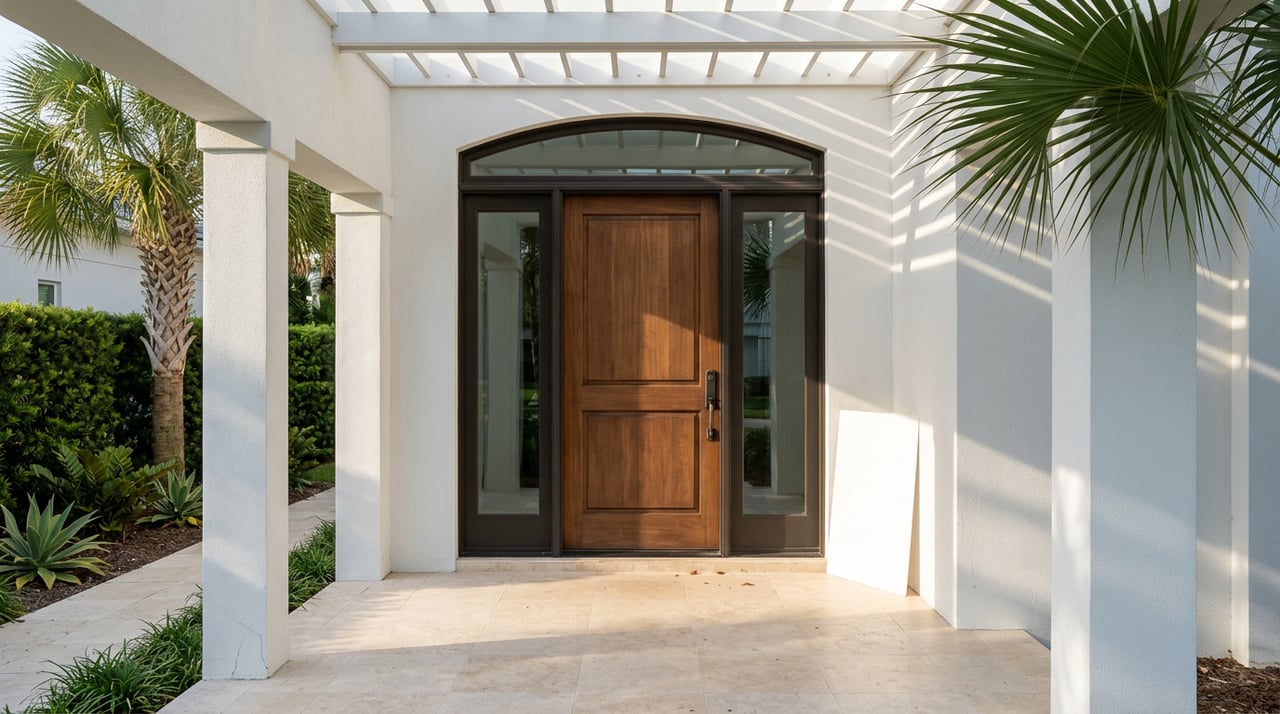
Impact‑rated openings protect against windborne debris and help keep the building envelope intact. They can also improve security, reduce noise, and may qualify for windstorm insurance credits. Look for products with Florida Building Code or Miami‑Dade approvals, and confirm design pressures for your exposure zone.
Impact windows and doors are high‑value features in coastal markets. Buyers respond well to visible labels, approval numbers, and certified installation records. Keep permits, inspection documents, and warranty paperwork handy to support insurance credits and resale.
A well‑detailed standing‑seam metal roof offers long life, strong wind performance, and low maintenance compared to many alternatives. In salty environments, corrosion resistance and coatings are critical to service life and color retention.
Insurers often look favorably on code‑compliant metal roofs with documented attachment methods. Schedule periodic inspections to check clips, seams, and sealants, and rinse accessible areas to remove salt buildup where safe to do so.
Seagrove buyers like outdoor living, but decks take a beating from salt, sun, and moisture. Prioritize dimensional stability, slip resistance, and low maintenance to protect appearance and safety.
Low‑maintenance decking reads as premium in beach markets. Thoughtful selections and tidy installation reinforce a home’s overall quality and reduce future to‑do lists for buyers.
Exterior cladding should resist rot, insects, UV, and wind. Good detailing behind the cladding is as important as the finish you see.
High‑quality 100% acrylic exterior paints and elastomeric coatings for stucco can improve UV and moisture performance. Use UV‑resistant finishes and maintain sealants at transitions with silicone or polyurethane products. Plan for periodic re‑caulking as part of normal coastal upkeep.
Install a drainage plane or rainscreen to prevent trapped moisture. Use breathable housewraps, proper flashing at openings, and stainless or approved hot‑dip galvanized fasteners. These hidden details drive long‑term performance.
Small components often determine whether systems succeed or fail. Corrosion at fasteners and flashings is a common early warning sign in coastal inspections.
Look for rust stains, loose fasteners, and failing sealants. Addressing these early preserves the larger assembly and prevents more costly damage.
Mechanical equipment and exterior amenities need coastal‑ready materials and placement.
Choose condensers and air‑handling components with corrosion‑resistant coatings and coated coils. Elevate equipment to reduce salt and splash exposure when practical. Rinse coils and schedule preventive service that includes corrosion checks.
Aluminum or stainless railings with quality architectural coatings perform well, but touch up chips promptly. Use marine‑rated exterior lighting and sealed penetrations. For pools and outdoor kitchens, select 316 stainless fittings, marine‑grade grills, and composite or sealed cabinetry built for salt environments.
The Florida Building Code governs wind design, windborne‑debris protection, and anchorage. Walton County permitting enforces these rules, and Miami‑Dade product approvals remain a widely recognized benchmark for openings and some roofing products.
Insurers often provide mitigation credits for impact‑rated windows and doors, code‑compliant roof systems, and other hardening features. The amount varies by insurer, so gather product approvals, permits, and inspection records to support quotes. Review manufacturer warranties closely, since coastal environments can carry limitations. Transferable warranties and maintenance records are strong selling points.
Features that clearly reduce maintenance often command a premium in coastal markets. Buyers respond to homes with impact‑rated openings, standing‑seam metal roofs with proven coatings, low‑maintenance decking, and fiber‑cement or masonry cladding. Sellers benefit from organized documentation, from permits and inspections to warranty terms and product approval numbers.
If you are preparing to list, we help you focus on upgrades that signal durability and reduce ownership friction. Our team leans on a builder’s perspective to weigh cost, maintenance, insurance impacts, and buyer appeal, then organizes documentation to strengthen appraisals and underwriting. With Compass Concierge‑style support for pre‑list improvements and premium marketing, we present your home as a low‑maintenance, high‑confidence coastal asset.
Ready to align your property’s materials and presentation with what 30A buyers expect? Connect with Darren Koenenn for a targeted plan.
Stay up to date on the latest real estate trends.
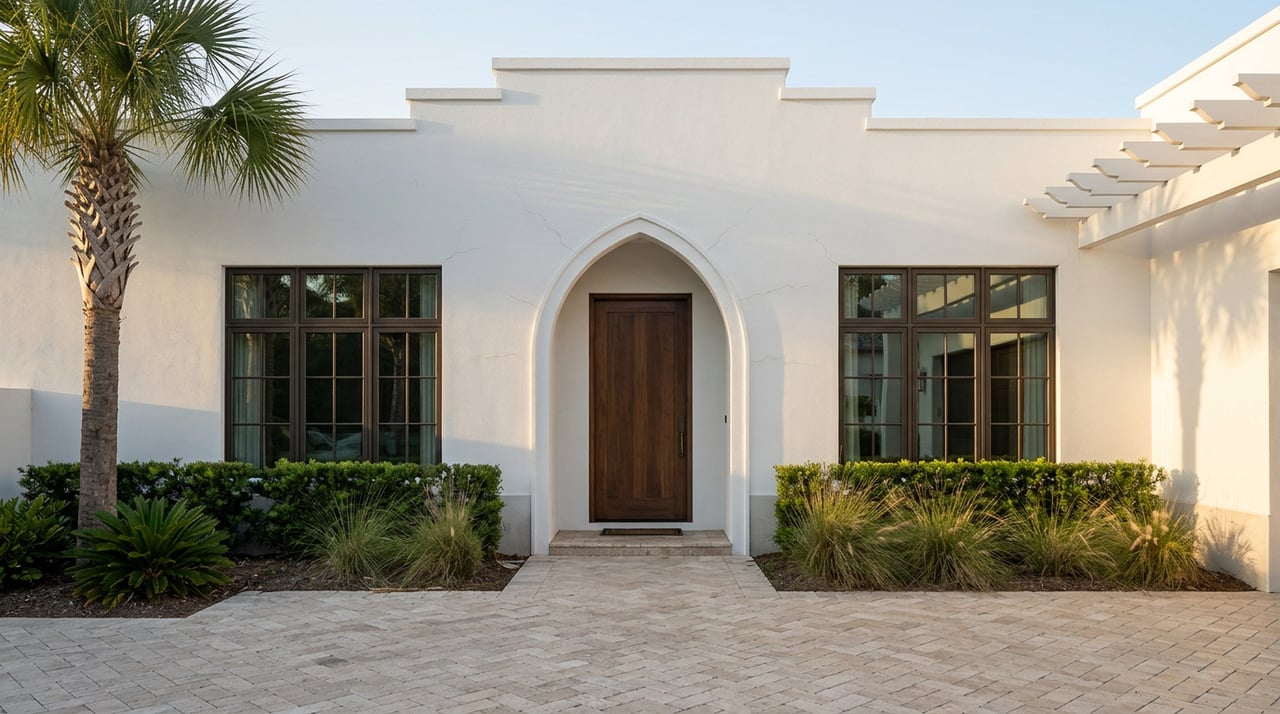


We pride ourselves in providing personalized solutions that bring our clients closer to their dream properties and enhance their long-term wealth. Contact us today to discuss all your real estate needs!
KOENENN GROUP
2048 W COUNTY HIGHWAY 30A STE 107 SANTA ROSA BEACH FL 32459