How Seagrove Beach Architecture Styles Shape Value
March 24, 2026
March 24, 2026
What makes one Seagrove home sell faster or for more than another that looks similar on paper? In this coastal pocket of Vero Beach, architecture and finish details do more than set a mood. They influence buyer demand, insurance costs, and even rental potential where allowed. In this guide, you’ll see how Seagrove’s dominant styles, resilience features, and curb appeal affect value so you can buy or sell with confidence. Let’s dive in.
Scope note: This article covers Seagrove on Vero Beach’s barrier island in Indian River County, sometimes described as Seagrove East/Oceanside and Seagrove West. It is not about the separate “Seagrove Beach” community on Florida’s Scenic 30A.
Seagrove blends classic Old Florida charm with modern coastal updates and luxury riverfront estates. These styles attract different buyer segments and create distinct pricing tiers inside the neighborhood.
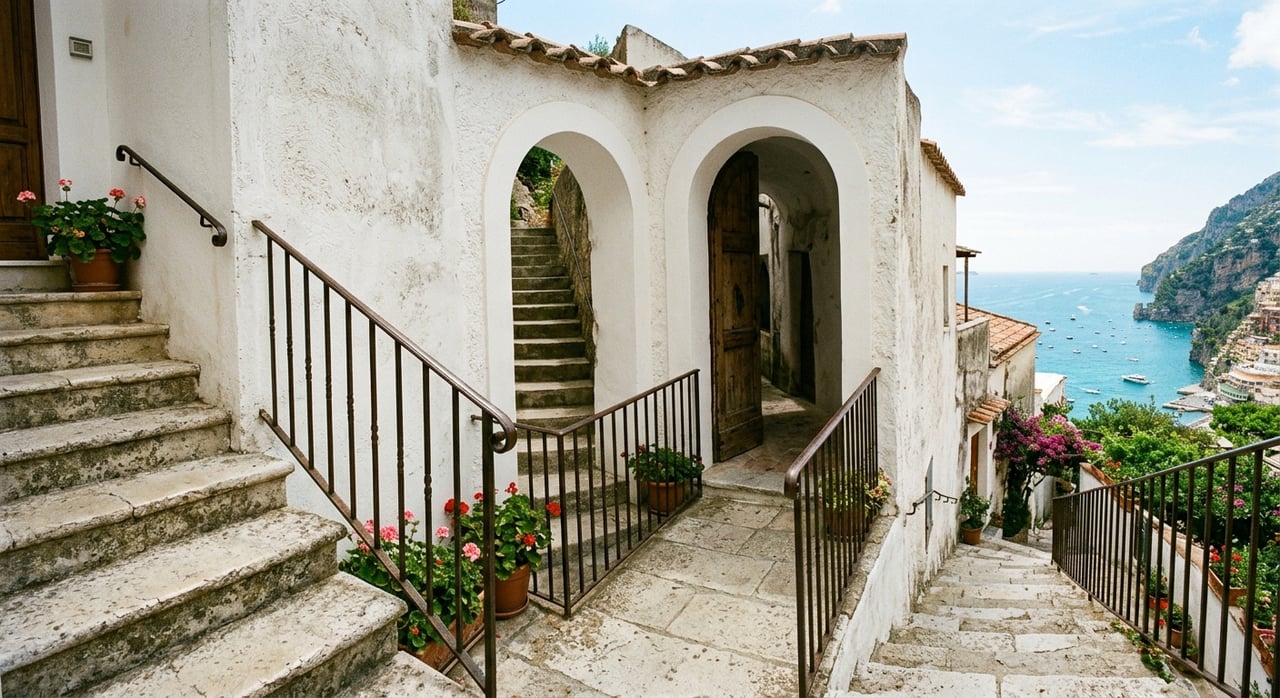
You often see 1 to 1.5 story cottages with porch‑forward facades, wood shingles or stucco, and metal or shingle roofs that tuck under mature oaks. Interiors were modest when built, but many are renovated. Buyers choose these homes for authentic coastal living, walkability to beach access, and garden or porch space. Cottages in Seagrove often command strong interest for their setting and character, although small footprints can limit expansion unless a lot supports a thoughtful infill plan.
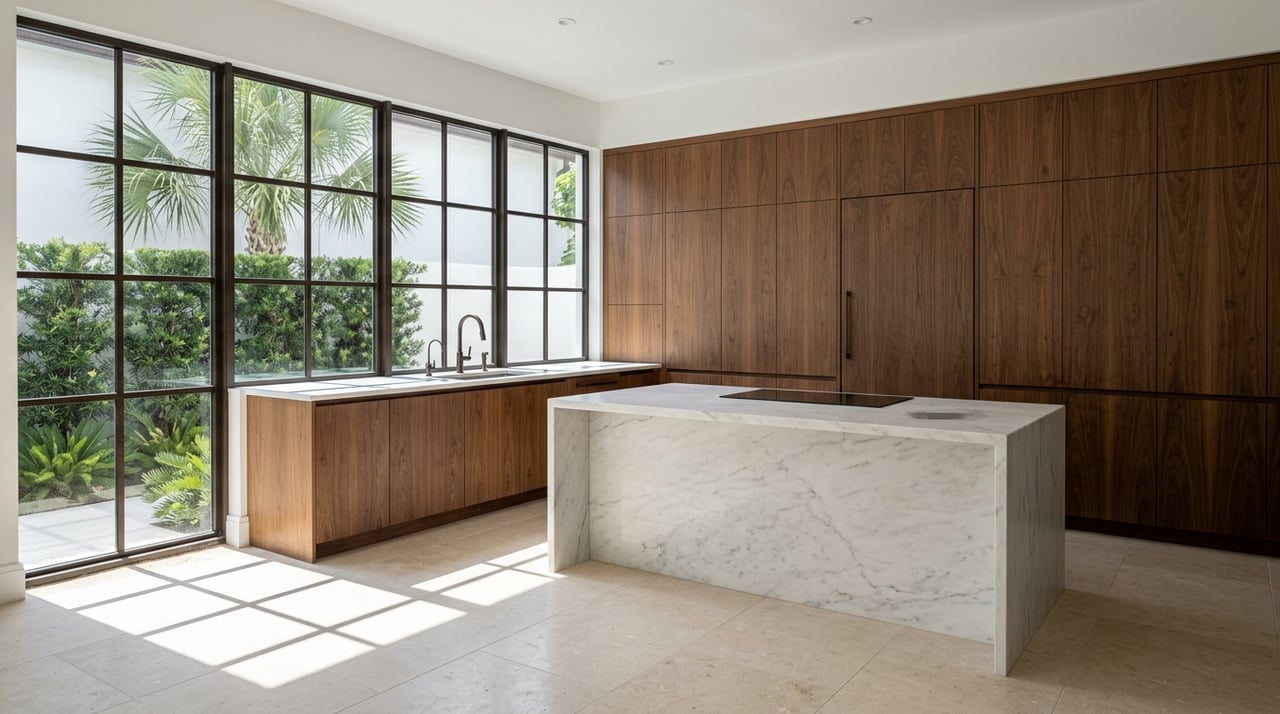
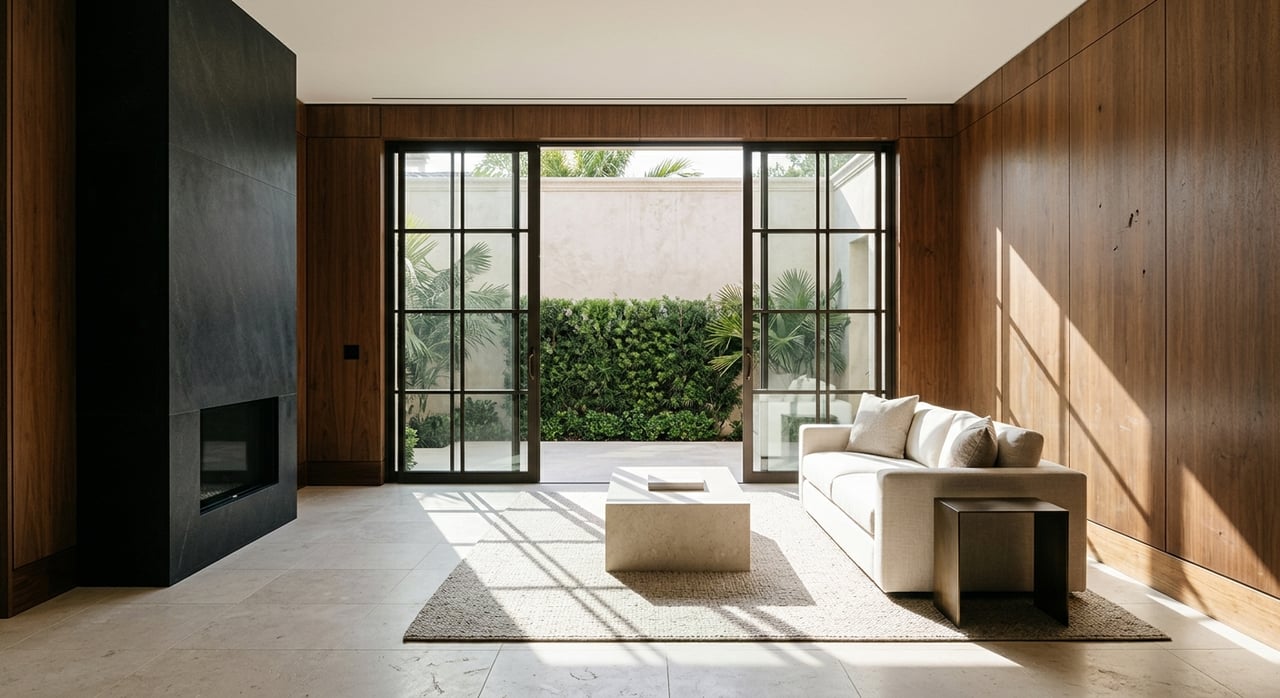
Renovated and newer beach houses lean into clean, bright interiors, open plans, and wide opening glass that links living rooms to the lanai and pool. Materials tend to be engineered hardwood, quartz, and high‑end appliances, with rooflines in low‑pitch metal or tile. These homes appeal to buyers who want a coastal aesthetic paired with updated systems like HVAC, insulation, and impact glazing. On resale, that turn‑key feel and outdoor living focus often widen the buyer pool.
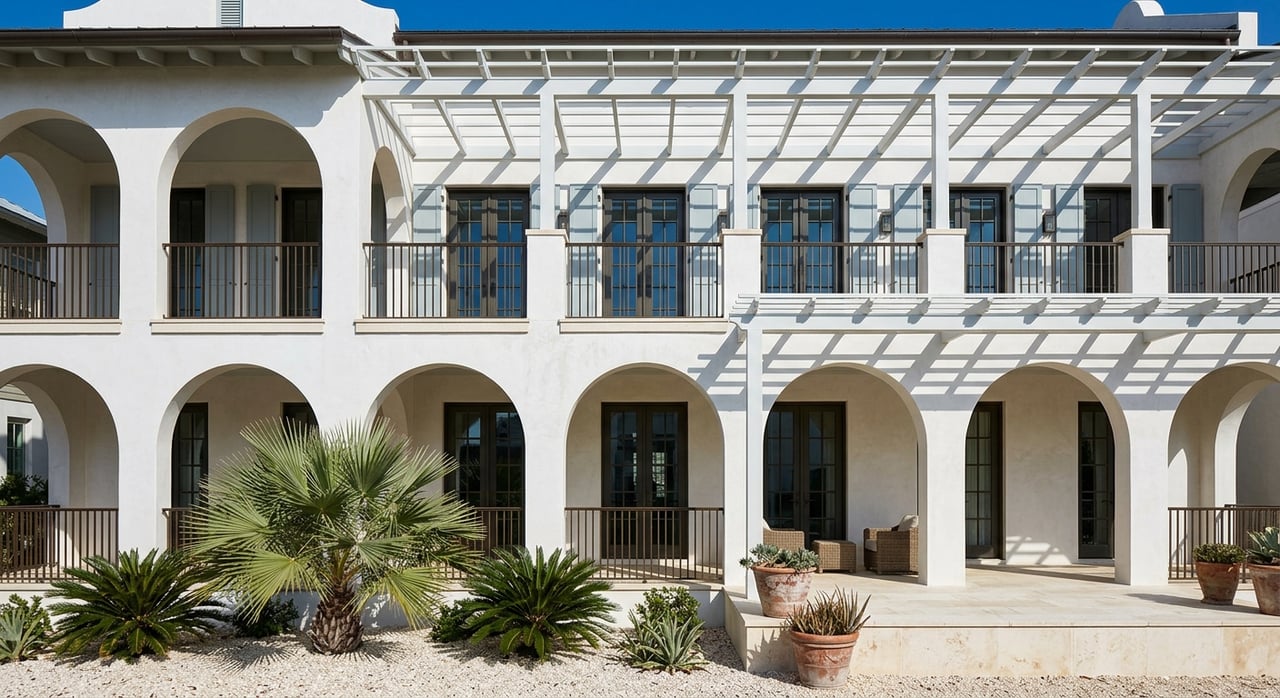
Along the Indian River, you’ll find larger CBS or reinforced builds with multi‑level layouts, multiple suites, resort‑scale pools, and private docks. These properties target luxury primary and second‑home buyers and price in step with waterfront width, exposure, and finishes. They can carry higher ongoing costs for wind and flood coverage, yet they often capture significant premiums for wide water or ocean‑to‑river exposure.
Architecture in Seagrove is more than style. It shapes perceived quality, operating costs, and marketability. Here are the levers that matter most.
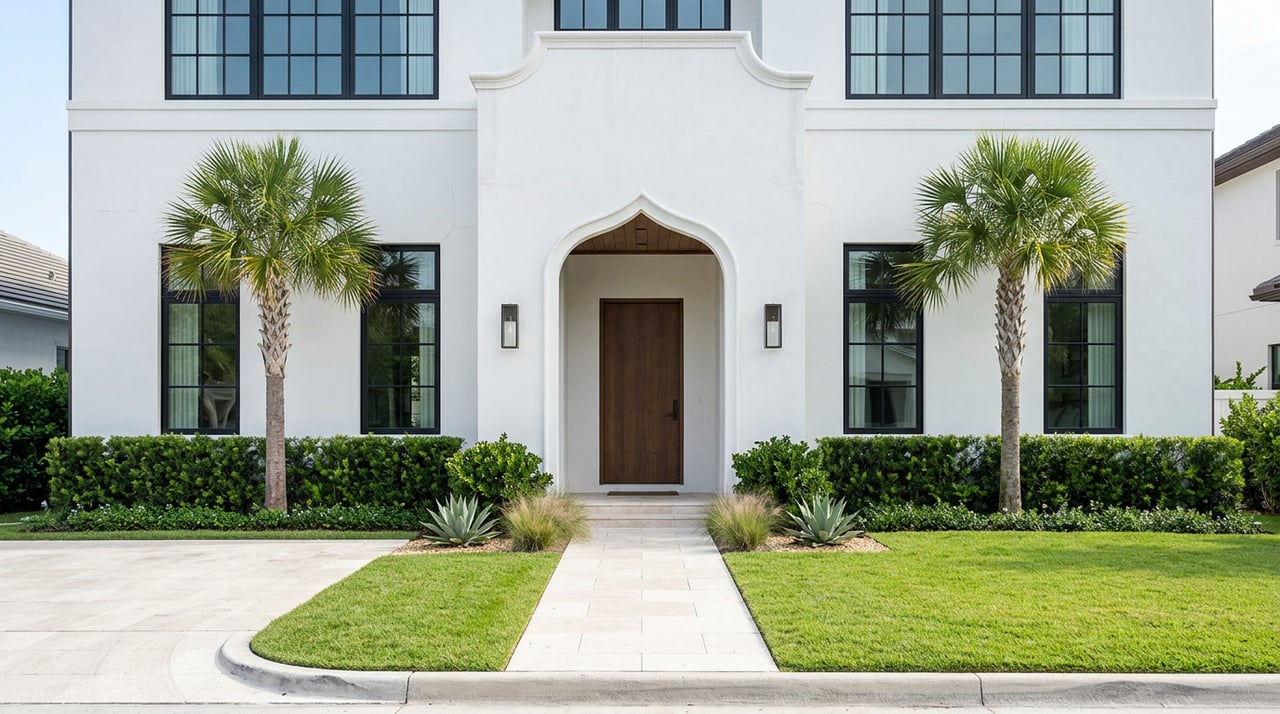
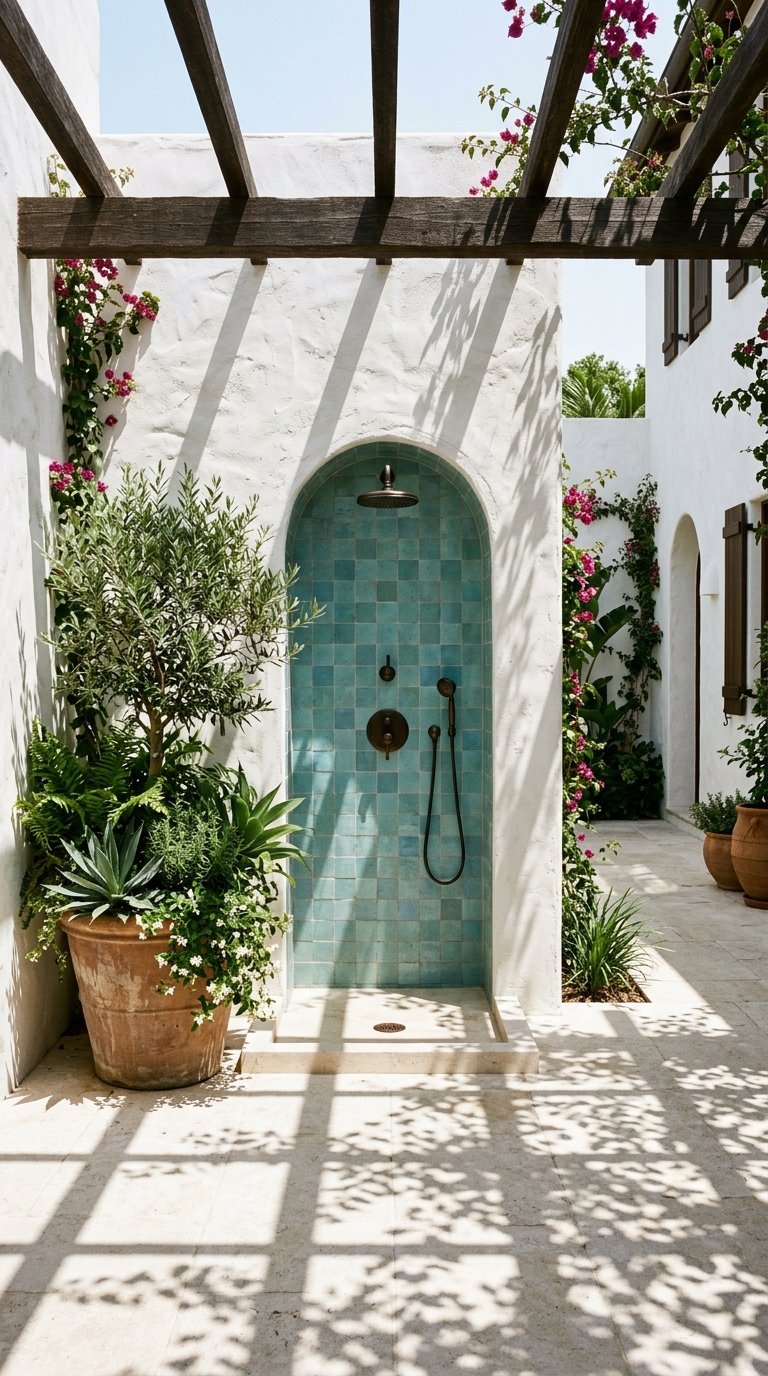
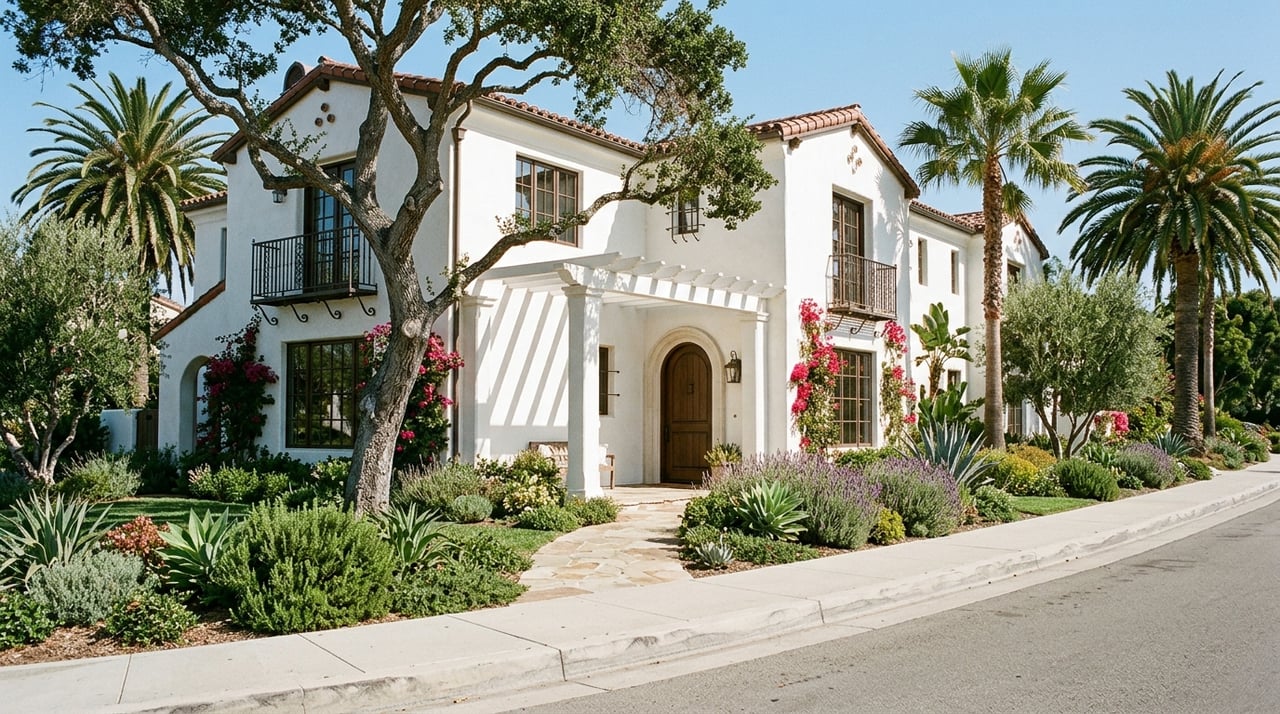
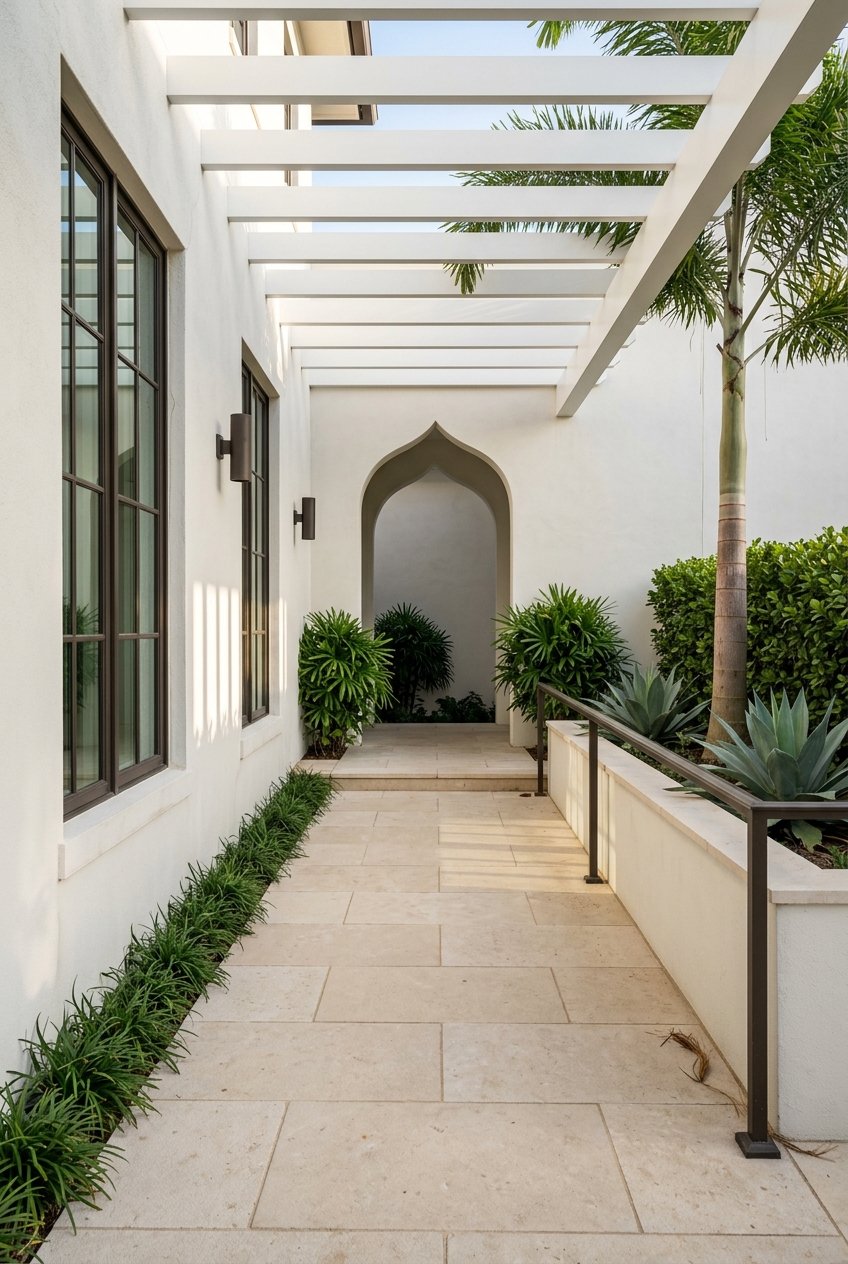
First impressions show up in the numbers. Academic hedonic research has linked stronger exterior presentation to a meaningful premium, commonly cited around 7 percent after controlling for size and location. In Seagrove, that means proportionate massing, authentic coastal details like porches and shutters, a defined entry sequence, and thoughtful native landscaping. Well‑executed curb appeal helps your online photos pop and sets the tone for private showings.
Coastal buyers and insurers price in resilience. Impact‑rated windows and doors, improved roof‑to‑wall attachments, elevated first floors, and concrete block construction in higher‑end builds can reduce storm damage risk and improve insurability. Florida’s framework rewards these features through mitigation credits and state support programs. The My Safe Florida Home program and the Florida Office of Insurance Regulation offer guidance on inspections, upgrades, and potential discounts tied to wind‑mitigation features. When you document those features, you are not just protecting the structure, you are also positioning the home as a lower total cost of ownership.
Parts of Seagrove West include FEMA AE flood zones, and base flood elevations vary by parcel. Two otherwise similar listings can have very different long‑term costs due to elevation and flood requirements. Use the FEMA Map Service Center to verify a property’s flood zone and base flood elevation. If you are selling, having an elevation certificate and wind‑mitigation report on hand can speed buyer underwriting and increase confidence.
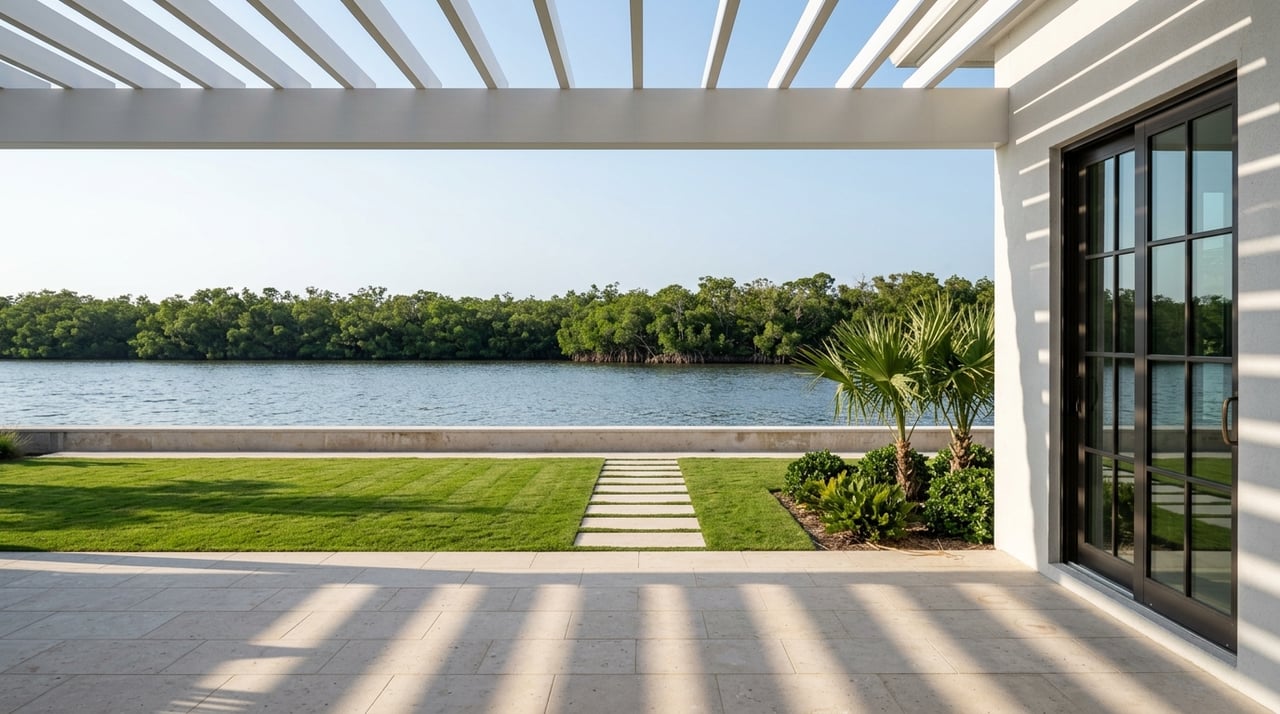
In Seagrove, deeded beach access on the ocean side and deepwater dockage on the river side act like separate product lines. Parcels with direct oceanfront or wide river frontage command the top of the range, with inland lots forming their own pricing band. The premium for each amenity depends on lot width, exposure, and how well the home’s design takes advantage of the setting, including views and indoor‑outdoor flow.
Across the broader Sebastian–Vero market, well‑appointed properties tend to see seasonal demand with healthy occupancy and average daily rates. However, inside the City of Vero Beach many residential zones restrict rentals under 30 days and the city enforces those rules. If rental income is part of your plan, confirm municipal zoning, HOA covenants, and licensing requirements before assuming nightly rental economics. Where nightly rentals are not permitted, evaluate monthly or seasonal stays instead.
Ask for a wind‑mitigation inspection, often documented on Florida’s Uniform Mitigation Verification Inspection Form. Request an elevation certificate if the property is near or in a mapped flood zone. Price in the value of impact glazing, updated roofing, and modern systems like HVAC and insulation. Confirm insurance quotes that reflect documented mitigation before you finalize your offer terms.
Compare ocean‑side access, inland placement, and river frontage as separate value drivers. A smaller cottage with walkable beach access may outperform a larger inland home on a price‑per‑square‑foot basis if presentation is excellent. For riverfront options, assess dockage, exposure, and how rooms connect to views and outdoor areas.
If income matters, start with rules. Many Seagrove addresses fall under city limits where stays under 30 days are restricted in residential zones. Build your pro forma around what is permitted, and consider seasonal or long‑term leasing if nightly rentals are not allowed.
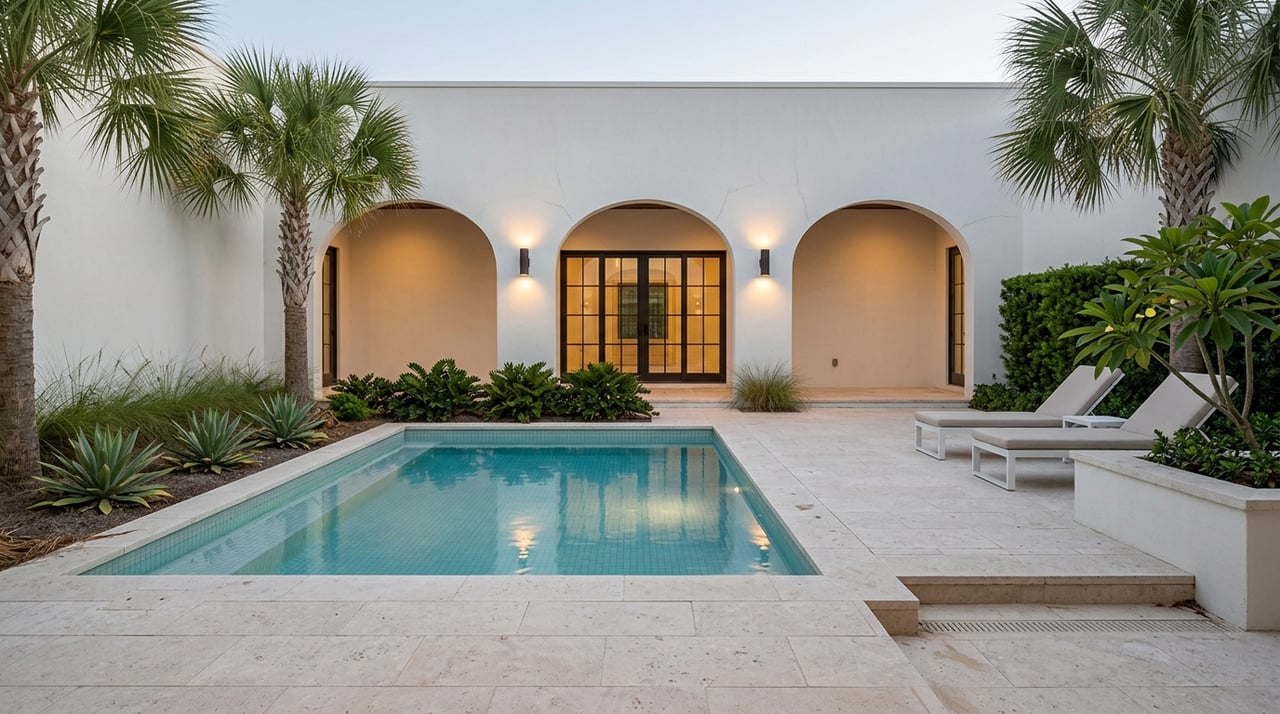
Before listing, refresh landscaping, repaint high‑touch exterior surfaces, update lighting, and make sure the entry path and front door photograph beautifully. If the pool or lanai is a highlight, stage it with clean furnishings and evening lighting. Small, targeted exterior improvements can have outsized impact on buyer perception.
Gather your wind‑mitigation inspection, elevation certificate, and any roof or window invoices that confirm impact ratings or code upgrades. Presenting this package early can shorten buyer due diligence and reduce underwriting questions. Highlight deeded beach access, river or dock amenities, and any recent mechanical updates in your marketing.
In Seagrove, many buyers appreciate homes that respect the original cottage proportions and canopy trees, especially on smaller lots. If you are considering a larger project on a substantial riverfront parcel, prioritize structural resilience, water‑oriented design, and mature landscape strategies that fit the setting. Thoughtful scale typically broadens your audience and helps the home age well.
Public listing histories in Seagrove illustrate these themes. Cottage‑scale homes along Seagrove Drive have been marketed as authentic beach cottages with private garden courts and pools, often achieving seven‑figure outcomes. East‑of‑A1A modern coastal homes show bright interiors and strong outdoor flow that play well online and in person. In Seagrove West, riverfront estates with private dockage and CBS construction demonstrate how wide water and resort‑level amenities can support multi‑million‑dollar pricing. Use these patterns as a framework as you evaluate your next move.
Ready to align architecture, resilience, and presentation to maximize your outcome in Seagrove? Start with a clear plan, tight documentation, and a design story that fits the setting. If you want a numbers‑first strategy paired with polished execution, connect with Darren Koenenn to map your best path forward.
Stay up to date on the latest real estate trends.
We pride ourselves in providing personalized solutions that bring our clients closer to their dream properties and enhance their long-term wealth. Contact us today to discuss all your real estate needs!
KOENENN GROUP
2048 W COUNTY HIGHWAY 30A STE 107 SANTA ROSA BEACH FL 32459