Seagrove Beach Gulf Front Condo Ownership Guide
March 26, 2026
March 26, 2026
You picture sunrise over sugar-white sand, coffee in hand, and the Gulf just beyond your balcony. Owning a gulf-front condo in Seagrove Beach can deliver that daily ritual, but it also comes with unique rules, costs, and decisions. This guide gives you a clear, numbers-forward roadmap so you can buy with confidence, protect your investment, and, if you choose, run a strong short-term rental. Let’s dive in.
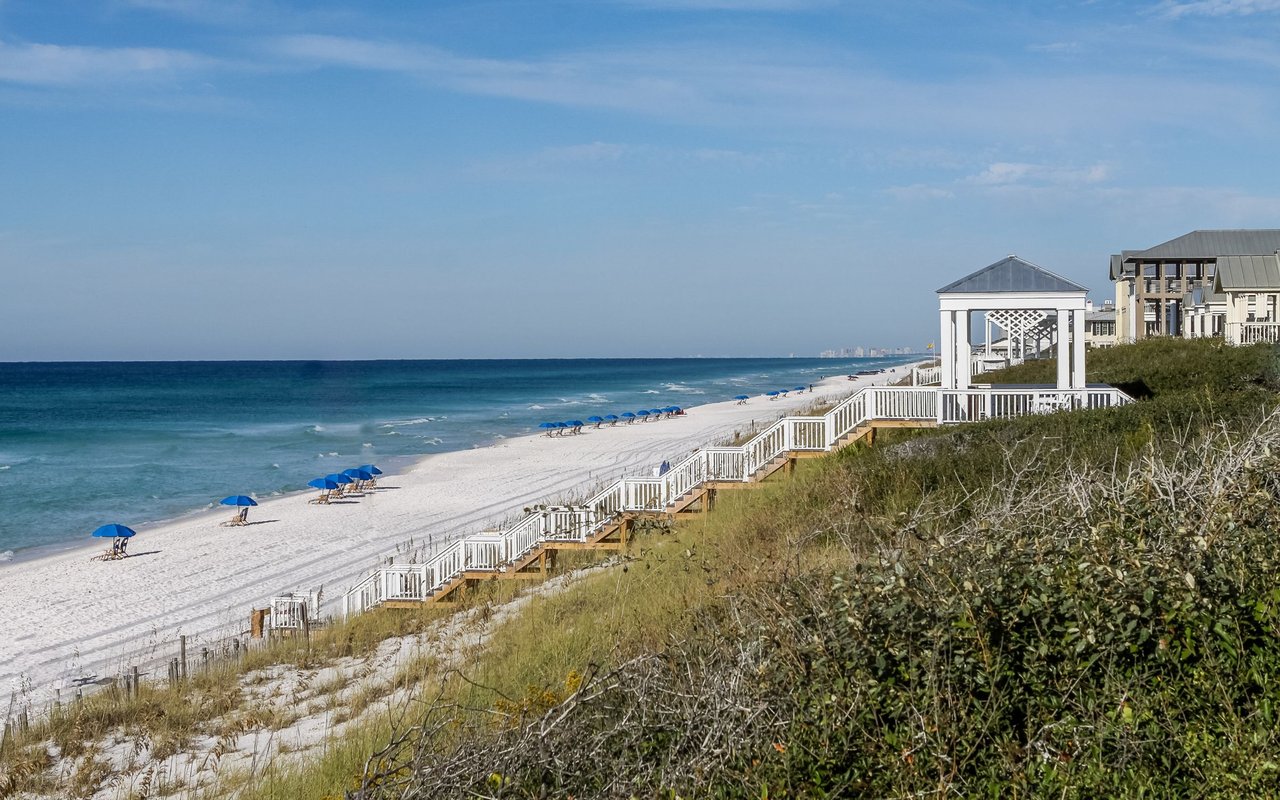
Seagrove Beach sits along a two-mile stretch of Scenic Highway 30A in South Walton. The area is known for its wide beaches, nearby dune lakes, bike culture, and low-rise coastal architecture. If you want relaxed walkability and direct sand access, Seagrove offers both in a central 30A location.
For a quick feel of the neighborhood’s vibe and layout, explore the official Seagrove overview from South Walton’s tourism board. It highlights the coastline, paths, and amenities you will use most as an owner. You can get a helpful primer in the Seagrove neighborhood guide from Visit South Walton.
Not all “near the Gulf” properties are created equal. Price, rental performance, and insurance exposure change meaningfully based on where a building sits. You will see three broad categories:
Before you write an offer, verify deeded beach access, building setback, and whether the property fronts a public access. These details affect value, rental appeal, and future maintenance responsibilities. For a concise orientation to how the terms differ, review this explainer on gulf-front vs gulf-view.
Gulf-front condos are governed by Florida’s Condominium Act. Associations control common areas, manage the building’s master insurance, collect monthly assessments, and can levy special assessments when needed. As a buyer, you should review the declaration, bylaws, rules, annual budget, and recent board minutes under Florida Statutes Chapter 718.
The association carries a master policy for the building and common elements. You still need an HO-6 policy for your personal property, interior improvements, liability, additional living expense, and loss assessment coverage. Ask for the association’s insurance declarations and confirm what interior items, if any, the master policy covers. See the insurance provisions in Chapter 718, including 718.111.
Florida updated reserve rules to improve long-term building safety. If the building is three or more habitable stories, the association likely must obtain a structural integrity reserve study and budget reserves for critical components. Ask to see the most recent study and how the board is funding it. Refer to 718.112 for reserve guidance in the Condominium Act.
Florida requires a milestone inspection at 30 years from the building’s certificate of occupancy, then every 10 years after, for condominium buildings with three or more habitable stories. Findings can trigger Phase 2 investigations and repair plans. These projects can be expensive, so request the inspection reports and status before you waive contingencies. Review the statute in FS 553.899.
On resales, the association issues an estoppel certificate that shows amounts due, pending charges, and special assessments. The Condominium Act provides timelines and fee caps, and it outlines limited buyer rights if documents are not delivered as required. Ask the listing agent for the full resale package and estoppel early. See 718.503 for resale and estoppel provisions.
Association dues vary widely based on building size, age, amenities, utilities included, and a portion of insurance. Public MLS examples in Seagrove show low-end dues around 400 to 500 dollars per month for smaller, older complexes and 1,000 to 3,500 plus per month for larger gulf-front buildings with elevators and more amenities. These are listing examples that can change. One representative listing that illustrates what dues may cover is shown on a Seagrove Beach condo listing page. Always confirm the current budget, what utilities are included, and how reserves are funded.
Associations can levy special assessments for uninsured damage, deferred maintenance, or major repairs such as roof replacements, elevator modernizations, exterior restoration, and concrete repairs. Ask for written disclosure of any approved or planned special assessments, the vote, and the funding schedule. See 718.116 in the Condominium Act for assessment authority and collection.
Salt air, wind, and UV accelerate wear on gulf-front buildings. Expect faster cycles for exterior paint and stucco repair, balcony finishes and railings, metal corrosion, HVAC coil service and replacement, and periodic elevator overhauls. This “coastal premium” is one reason dues and reserves run higher on the water. A well-funded reserve plan is your best protection against large surprise assessments.
Many associations purchase an NFIP Residential Condominium Building Association Policy, often called an RCBAP. It covers the building up to program limits, but it does not cover your personal contents or many interior upgrades. Lenders typically require adequate flood coverage if the building is in a Special Flood Hazard Area. You can review NFIP terminology and RCBAP basics at FEMA’s flood insurance index.
The master policy usually covers wind for the building and common elements. Deductibles can be high, sometimes a percentage of insured value. Ask for the deductible structure, whether a deductible is assessed to owners by formula, and whether the association carries loss assessment coverage. Your HO-6 should address gaps and provide enough loss assessment coverage for your share of a major claim.
Walton County and state partners periodically nourish beaches and repair dune crossovers. These projects can temporarily affect access and views at the neighborhood level. If beach width and dune health are central to your decision, ask the county about recent or planned work for your stretch of shoreline.
If you plan to rent, Walton County requires Short-Term Vacation Rental Certification. You must register, pay the fee, meet safety and posting requirements, and renew annually. Buildings three stories or more may need a balcony inspection certificate before renting. Condo rules vary, so confirm building restrictions before you buy. Start with the county’s official Short-Term Vacation Rental Certification program.
You can hire a full-service manager, use a hybrid model, or manage bookings yourself with channel tools. On 30A, full-service programs commonly charge in the low to mid 20 percent range of gross rent. Some lower-service models advertise 10 to 15 percent. Always compare net owner payout after cleaning, supplies, credit card fees, and platform commissions. For a market snapshot of fee ranges, see this Seagrove Beach property management overview.
Short-term rental income is subject to Florida state sales tax and Walton County’s Tourist Development Tax. Confirm if your manager will register, collect, and remit on your behalf, and who holds legal responsibility for filings. Get current filing steps from the county resources on Tourist Development Tax collection.
Gulf-front units can be top performers, but results vary by building, floor height, amenities, view corridors, and management quality. Bookings are seasonal, with peak demand in late spring, summer, and key holidays. Build a unit-level pro forma using local rental comps and independent analytics, and model conservative assumptions for off-peak months.
Some loan programs require a building to meet specific project standards. High investor concentration, low reserves, or active litigation can make a project non-warrantable, which limits conventional financing options and can change your down payment or rate. Ask your lender to review the condo questionnaire and eligibility early in your process. Learn more about project requirements through Fannie Mae’s condo project guidance.
Use these targeted questions during due diligence:
You deserve clear numbers and calm, expert guidance. Our team brings a builder’s eye and an investor’s discipline to each gulf-front purchase. We model unit-level revenue and expenses, pressure test reserves and inspection findings, and coordinate the right questions with the HOA, manager, insurer, and lender. When it is time to sell, we pair premium presentation with Compass distribution to capture maximum value.
If you are serious about a Seagrove Beach gulf-front condo, let’s put a clear plan in place. Connect with Darren Koenenn to schedule a consultation.
Stay up to date on the latest real estate trends.





We pride ourselves in providing personalized solutions that bring our clients closer to their dream properties and enhance their long-term wealth. Contact us today to discuss all your real estate needs!
KOENENN GROUP
2048 W COUNTY HIGHWAY 30A STE 107 SANTA ROSA BEACH FL 32459