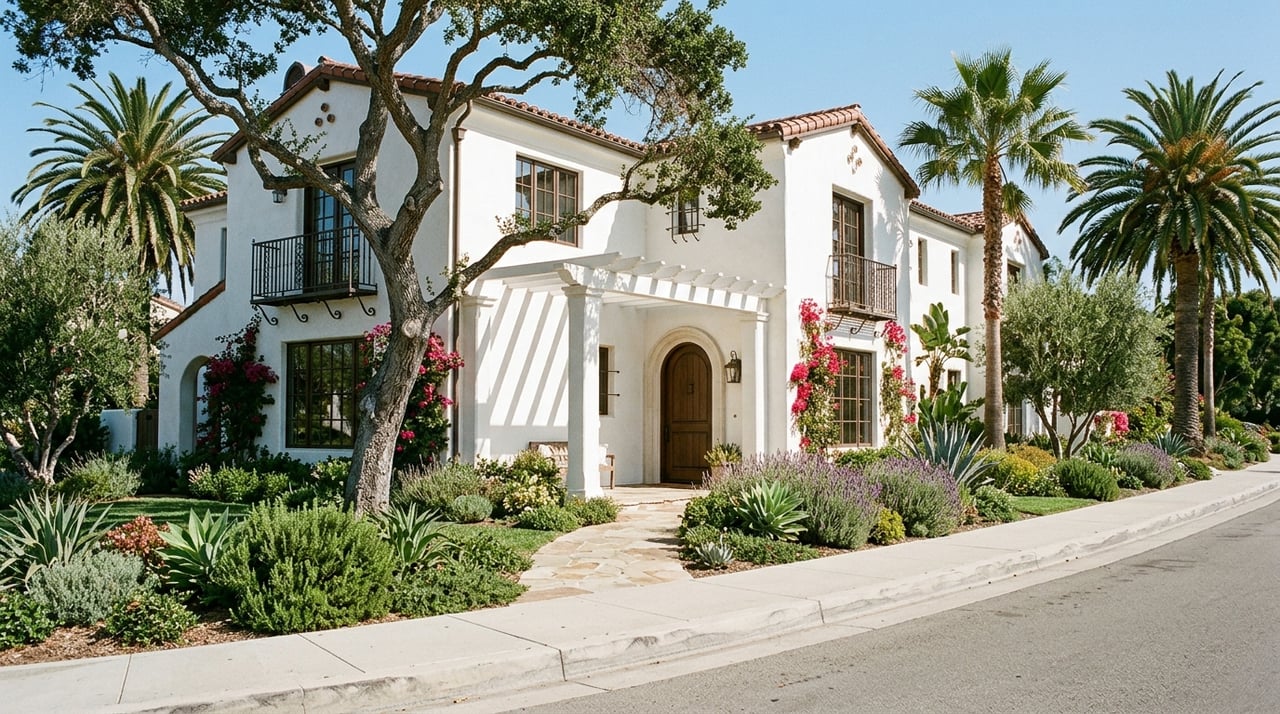
Buying a Home in Seagrove Beach: How to Pick the Right Street
June 4, 2026
June 4, 2026
Choosing a home in Seagrove Beach is not just about the house. In this part of 30A, the street you pick can shape how your property feels day to day, how easily you reach the beach, and how much activity you experience around you. If you are buying a second home, a vacation property, or a long-term coastal retreat, understanding street-by-street differences can help you make a smarter decision. Let’s dive in.
Seagrove’s layout gives each block a distinct character. According to Walton County’s Old Seagrove plan, the original neighborhood used a classic grid with tree-lined streets like Grove, Forest, Cypress, Dogwood, Pine, Hickory, and Live Oak.
Those streets were built with relatively narrow rights of way, generally 40 to 45 feet, and the county plan emphasizes preserving the existing footprint and roadside canopy where possible. That helps explain why many blocks still feel shaded, tucked in, and lower scale than nearby areas with wider roadways.
The same county planning documents note that Seagrove began with smaller cottage lots, while later growth introduced larger short-term rental homes. Because of that mix, two homes with similar square footage can feel very different depending on the street, the lot pattern, and the nearby access points.
If you want to choose the right street in Seagrove, begin with beach access type. This is often more important than simply measuring how many blocks you are from the Gulf.
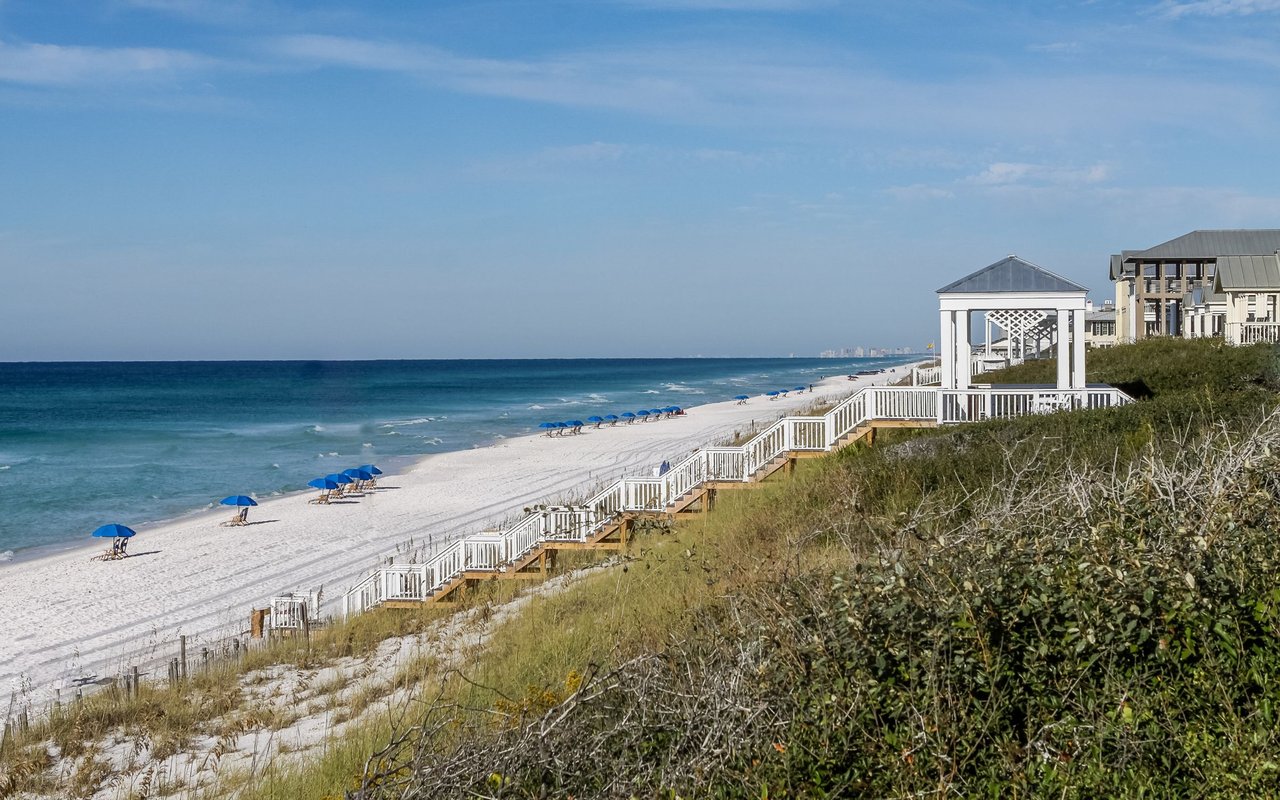
Walton County Tourism maintains a broad network of public beach access points across South Walton, and Seagrove includes several access locations with different features. The county’s beach access chart identifies Seagrove-area accesses such as Eastern Lake, One Seagrove Place, Beachwood Villas, Campbell Street, Pelayo Avenue, Montigo Avenue, Santa Clara RBA, and San Juan.
Some access points have no parking, some have limited parking, and others offer larger parking capacity. Certain locations include ADA features, and some also include restrooms. That means one street may be ideal if you want quick pedestrian access, while another may sit near a more active access point that draws more daily visitor traffic.
The new Seagrove Regional Beach Access at 3910 E. County Hwy. 30A opened in April 2026 with 23 parking spaces, a restroom building, an ADA-accessible dune walkover, rinse showers, and a connection to the multi-use path. Streets near that access node are likely to feel more active and more visitor-oriented than interior residential blocks farther from 30A.
If you value convenience and amenities, that may be a plus. If you prefer a more tucked-away feel, you may want to focus on streets deeper inside the neighborhood.
Eastern Lake access is listed with ADA access but no parking. In practical terms, that usually supports more walk-up use than drive-in beach traffic.
For some buyers, that difference matters a lot. A pedestrian-oriented access pattern can support a quieter rhythm on nearby streets, especially when compared with blocks beside larger parking-backed beach access points.
Seagrove is not one uniform experience. The western, central, and eastern pockets each offer a different mix of walkability, activity, and natural setting.
On the western edge near Seaside, the county plan shows Forest Street and Grove Avenue as two of the main roads connecting Old Seagrove to Seaside. That layout suggests this pocket may appeal to buyers who want easier access to nearby shops, dining, and the broader 30A experience.
If your ideal day includes leaving the car parked and moving around on foot or by bike, west Seagrove deserves a close look. Street choice here can have a direct impact on how connected you feel to the surrounding area.
Central Seagrove includes more of the 30A frontage and several well-known beach access points. This part of the neighborhood can offer strong convenience, but it can also come with more movement, more visibility, and a more visitor-oriented feel depending on the exact block.
If you are considering a second home or vacation-rental property, this area may deserve extra analysis. A well-located street near a major access point or path connection may support lifestyle convenience, but you should also weigh traffic tolerance and the character of the block.
East Seagrove is shaped by County Road 395 and Eastern Lake, one of the area’s defining natural features. Visit South Walton highlights the coastal dune lake system as a signature part of the neighborhood, and this side of Seagrove often attracts buyers who want a more natural, quieter setting while staying close to 30A.
This pocket can be especially appealing if you value low-key surroundings and easy outdoor access. As always, the exact street still matters, especially near the 30A and 395 intersection where the neighborhood feel can shift more quickly.
Street choice in Seagrove is not only about Gulf distance. The Timpoochee Trail, a flat paved 19-mile multi-use path adjacent to 30A, runs through 12 beach neighborhoods and is wheelchair accessible.
If biking, walking, or casual car-free movement is part of your lifestyle, look closely at how quickly a property connects to the trail. A house that is slightly farther from the beach but easier to reach by trail may fit your day-to-day life better than a home that looks closer on paper.
This is especially important for buyers who want flexibility. Easy trail access can improve how you move between the beach, nearby destinations, and other parts of 30A without relying on a vehicle every time.
In Seagrove, the long-term value of a street is also shaped by what can happen around you in the future. Walton County’s Old Seagrove plan includes several standards that affect redevelopment, neighborhood scale, and the look of the streetscape.
The plan keeps the area largely residential, limits newly constructed short-term rental uses to six bedrooms, allows one dwelling unit per platted lot, and sets a 40-foot maximum building height. It also requires setbacks and emphasizes protection of mature trees, including live oaks, hickories, and magnolias.
These rules matter because they can influence whether a block is more likely to retain a cottage-scale feel or support larger replacement homes over time. If you are evaluating a home for personal use, rental potential, or a future renovation, this is not background information. It is central to the decision.
The research report notes that parcels may be subject to the Route 30A Scenic Corridor Overlay or the Old Seagrove overlay. Those standards can affect items like access, landscaping, signage, and future modifications.
For a buyer, that means you should study the parcel as carefully as the floor plan. A beautiful home on the wrong street for your goals may be less attractive than a simpler property in a location that better matches your long-term plans.
One of the best ways to choose the right street in Seagrove is to think beyond the listing photos. Ask yourself how you want the property to function on a typical beach day, a busy holiday week, and a quieter off-season weekend.
Do you want to walk to the beach with minimal hassle? Do you want to be near a larger access with restrooms and parking? Do you prefer a quieter interior block with mature canopy and less visitor flow? Those answers will help narrow the search much faster than square footage alone.
A simple working rule from the local planning documents is this: choose the street by access type first, then by home form, then by traffic tolerance. In Seagrove, moving just one block closer to a major access point or trail connection can materially change the ownership experience.
Before you commit to a property, use this short checklist:
For luxury buyers and investors, this level of detail is where better decisions happen. In a market like Seagrove, street selection is not a minor detail. It is part of the asset itself.
If you want help comparing blocks, access patterns, and long-term property fit in Seagrove and along 30A, Darren Koenenn can help you evaluate each opportunity with a local, data-informed perspective.
Stay up to date on the latest real estate trends.


We pride ourselves in providing personalized solutions that bring our clients closer to their dream properties and enhance their long-term wealth. Contact us today to discuss all your real estate needs!
KOENENN GROUP
2048 W COUNTY HIGHWAY 30A STE 107 SANTA ROSA BEACH FL 32459