Seagrove Beach Condos vs Cottages For Investment And Enjoyment
June 11, 2026
June 11, 2026
If you are weighing a Seagrove Beach condo against a cottage, you are really deciding how you want to use the property, how much hands-on ownership you want, and how you want the numbers to work. In Seagrove, that choice is not as simple as “condo for income” and “cottage for lifestyle.” This stretch of 30A has a distinct low-rise, cottage-forward feel, and that changes the equation. The right fit usually comes down to maintenance, rental rules, privacy, and address-specific details. Let’s dive in.
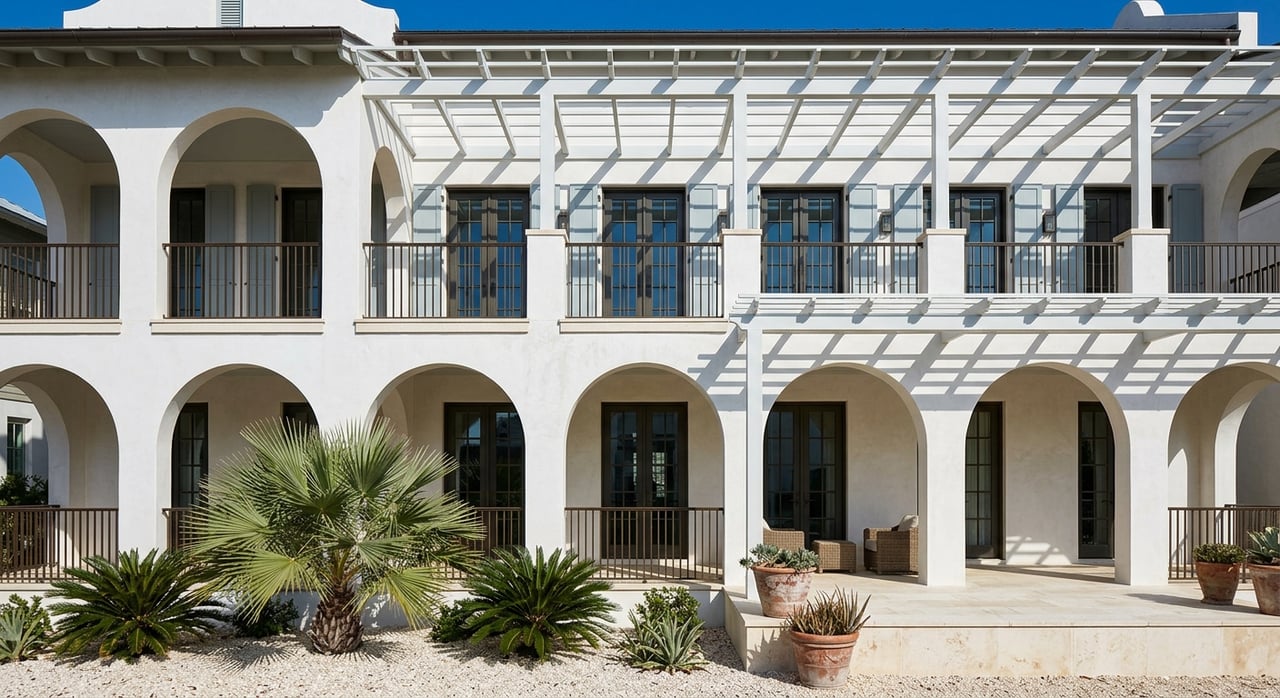
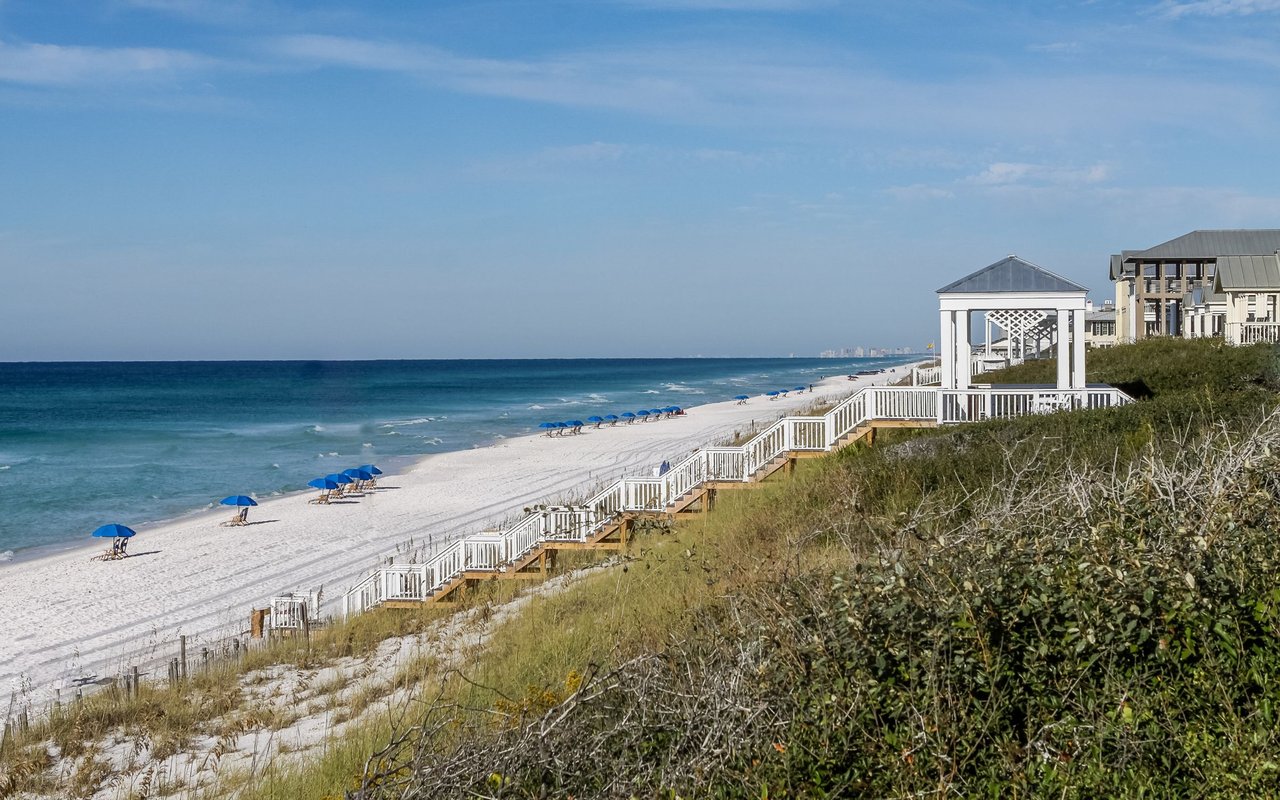
Seagrove Beach is part of South Walton’s 16 beach neighborhoods, and it is known for a laid-back coastal setting with sugar-white beaches, local businesses, Eastern Lake, and access to the Timpoochee Trail. It is not a high-rise resort market in the way some Florida beach areas are. That matters because the condo inventory here often feels more boutique and residential.
South Walton also notes that beachfront construction heights are limited along much of 30A. In practical terms, that helps explain why many Seagrove condos are low-rise and why the gap in feel between a condo and a cottage can be narrower here than buyers expect. You may find that a condo still delivers a quiet, neighborhood-oriented experience, while a cottage offers a stronger house-like identity and more direct control.
Before you compare price, projected use, or rental potential, it helps to think about how you want ownership to feel. In Seagrove, that often becomes the clearest dividing line between condos and cottages.
In Florida, condominiums are governed by Chapter 718. That framework puts many common expenses, maintenance, repair, and replacement duties under the condominium association. For many buyers, that means a condo can feel simpler on a day-to-day basis because exterior upkeep and shared systems are handled through the association structure.
That convenience comes with tradeoffs. You are also sharing costs and decision-making with the rest of the building, which means assessments, reserve funding, association rules, and building-wide repair cycles all matter. If you want a lower-touch second home or vacation-rental property, a condo can be appealing, but you need to review the association side just as carefully as the unit itself.
A detached cottage usually sits outside the condominium structure unless it is part of another association format. That typically gives you more control over the property and a more house-like ownership experience. In Seagrove, that can pair well with the area’s mature landscaping, classic beach-house feel, and relaxed residential character.
The tradeoff is that more responsibility stays with you. Maintenance, repairs, landscaping, and storm planning tend to be more direct owner concerns with a cottage. If you value privacy and autonomy, that may be worth it, but it should be part of your underwriting from the start.
For many buyers, the best choice is less about the label and more about how they plan to enjoy the property with family and guests. Seagrove supports both styles well, but in different ways.
A condo often fits best if you want:
In Seagrove, that setup can work especially well because many condo options are low-rise rather than tower-style. You may still get a residential feel while keeping a simpler ownership model.
A cottage often fits best if you want:
For some buyers, a cottage simply feels more like the Seagrove they came here to enjoy. If your goal is a true beach retreat with a quieter, more personal setup, that can be hard to replicate.
If you are buying with rental income in mind, the condo-versus-cottage question becomes more operational. In Seagrove, a good investment decision is usually driven by compliance, management logistics, and property-specific constraints, not just by whether the home is attached or detached.
Under Florida law, a property can be treated as transient lodging if it is rented more than three times in a calendar year for periods of less than 30 consecutive days, or if it is advertised as regularly rented for periods of less than 30 days. Florida’s DBPR requires a vacation rental license for condos or co-ops used that way, and it also requires licensing for individually or collectively owned one-family to four-family dwellings used as vacation rentals.
That distinction matters because condos and cottages do not fall into the exact same license category. If rental income is part of your plan, the structure of the property affects the compliance path.
Walton County requires short-term vacation rentals to complete annual registration. The county’s program page says the workflow includes a state DBPR license and tourism development tax registration as prerequisites. It also lists a $300 annual registration fee for an individual property and a $500-per-day penalty for operating without registration.
The county also requires a local responsible party to be available 24/7 and able to respond within one hour. That party is expected to monitor the property at least weekly for issues such as parking and trash. These rules directly affect the real-world cost and management style of a rental property.
Walton County says guest agreements must disclose maximum occupancy, noise rules, trash information, evacuation language, and parking limits. The county also caps occupancy at one person per 150 square feet of heated and cooled living area, or a lower agreed cap. That means projected guest count is not just a marketing choice. It is part of legal operation.
For a Seagrove investor, this is where the analysis gets more granular. A cottage may offer a better guest experience if onsite parking and layout work in your favor, while a condo may be easier to operate if the building already aligns with vacation-rental use. In both cases, compliance details can change the return profile.
Here is the simplest way to frame the tradeoffs in Seagrove.
This is the key point many buyers miss. In Seagrove, the better investment or lifestyle purchase is often determined more by the specific address than by the broad category of condo or cottage.
A condo in a well-run, rental-friendly building with clear operating history may outperform a cottage with limited parking or more restrictive practical constraints. A cottage with strong livability, better privacy, and a cleaner guest setup may outperform a condo that carries association friction or upcoming building costs. The product type matters, but the details usually matter more.
If you want to make a sharper decision, start with these property-specific questions:
These questions are where a smart Seagrove purchase starts to separate itself from a costly mistake. They are also where a local, numbers-first advisory process adds real value.
If your priority is convenience, lower-touch ownership, and a cleaner lock-and-leave profile, a condo is often the better fit. If your priority is privacy, a stronger beach-house feel, and more direct control over the property, a cottage is often the better fit. In Seagrove specifically, though, the strongest decision usually comes from comparing the exact property, the rules that govern it, and the way you plan to use it.
That is why this market rewards detail. The smartest buyers do not just ask which property type is better. They ask which specific address best supports both enjoyment and performance.
If you want help comparing a Seagrove condo to a cottage through both a lifestyle and underwriting lens, Darren Koenenn can help you evaluate the details that matter most.
Stay up to date on the latest real estate trends.


We pride ourselves in providing personalized solutions that bring our clients closer to their dream properties and enhance their long-term wealth. Contact us today to discuss all your real estate needs!
KOENENN GROUP
2048 W COUNTY HIGHWAY 30A STE 107 SANTA ROSA BEACH FL 32459