Townhome, Cottage Or Condo In Inlet Beach: How To Decide
July 2, 2026
July 2, 2026
If you are choosing between a condo, townhome, or cottage in Inlet Beach, the hardest part is often not the floor plan. It is figuring out how each property type will affect your lifestyle, carrying costs, and rental flexibility after closing. In a market where beach access, walkability, and vacation use matter so much, the right fit comes from matching the ownership structure to how you actually plan to use the property. Let’s dive in.
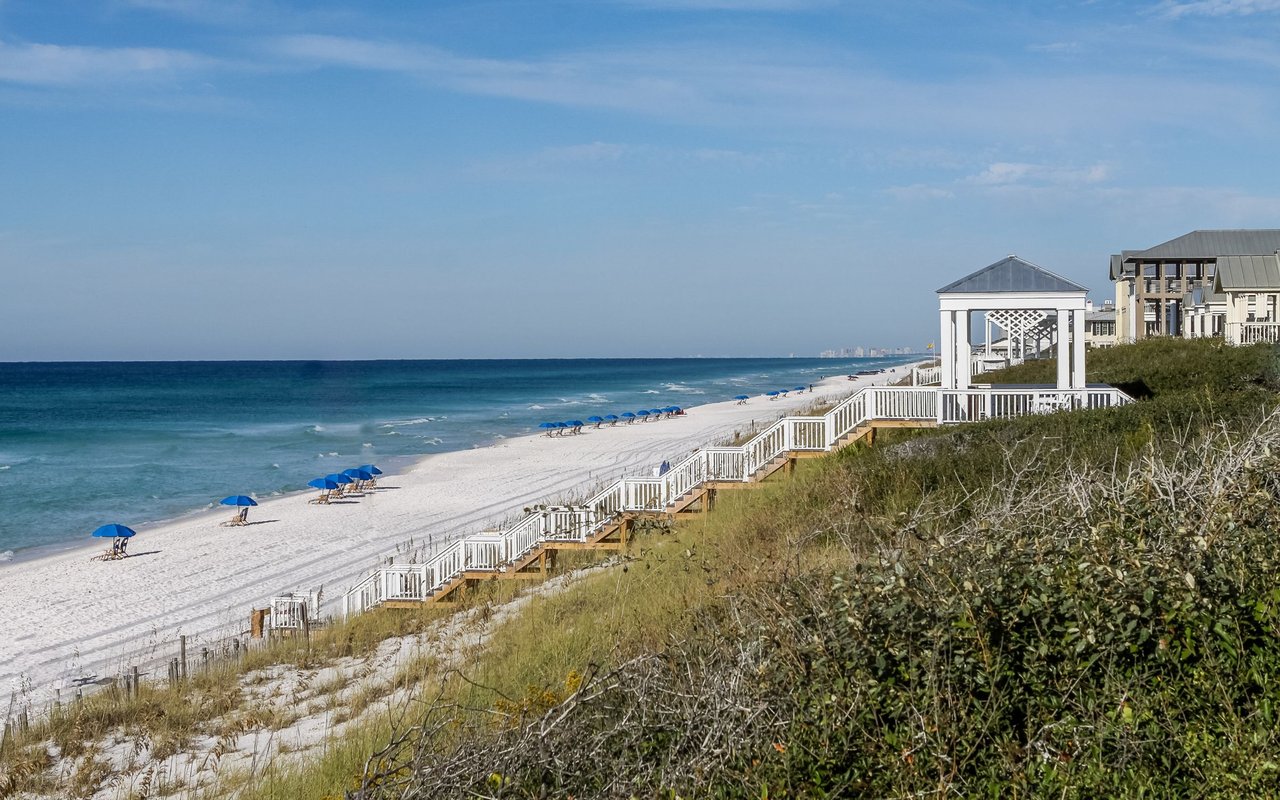
Inlet Beach stands out for its large regional beach access, boardwalk, lifeguards, restrooms, and accessible parking. Local tourism materials also highlight the mix of classic beach cottages and newer villas, along with walkable access to 30Avenue and nearby areas like Rosemary, Seacrest, and Alys Beach. That setting makes everyday details like parking, storage, guest flow, and rental rules especially important.
If you are buying a second home, vacation property, or full-time coastal home, your best option is not always the one with the most square footage. In many cases, the smarter choice is the one that creates the fewest surprises in maintenance, rules, and ongoing costs.
A common mistake is assuming the word “condo,” “townhome,” or “cottage” tells you everything you need to know. In Florida, the legal documents determine ownership, maintenance obligations, and rental restrictions, not just the marketing description.
With a Florida condominium, you own your unit and an undivided share of the common elements. That ownership share stays tied to the unit and cannot be separated from it. Condo owners and tenants are also bound by the declaration, bylaws, and association rules.
This matters because the association is generally responsible for maintaining the common elements. It also means owners are responsible for assessments, and unpaid assessments can become liens.
In Florida, a townhome is usually a style of property rather than a separate legal category. Some townhomes are fee-simple properties in an HOA community, while others may actually be condominium ownership.
That is why you should never rely on the listing label alone. The deed, recorded declaration, and association documents will tell you who maintains the exterior, what rental limits apply, and how the association can enforce its rules.
A cottage usually describes a smaller coastal home, not a distinct ownership structure. In Inlet Beach, that term can apply to properties with very different legal setups.
One cottage may be part of an HOA-governed community, while another may have a different ownership form. Before you assume a cottage gives you more freedom or more maintenance responsibility, confirm the recorded documents.
For many buyers, this is where the decision becomes clearer. The tradeoff is usually between convenience and control.
Florida law generally places maintenance of condo common elements on the association, except for limited common elements assigned differently by the declaration. That can make a condo appealing if you want a more turnkey, lock-and-leave setup.
The tradeoff is that you become more dependent on the association’s budgeting and decision-making. Monthly dues, reserve funding, and the possibility of special assessments should all be part of your review.
In HOA communities, associations can have authority over assessments, rules, fines, suspensions, and architectural control. In practice, a townhome or cottage may feel more house-like, but that often comes with more direct owner responsibility for upkeep.
If you prefer more privacy or a more residential feel, that can be a worthwhile trade. You just want to be clear about where the association’s responsibility ends and yours begins.
Inlet Beach is not a market where you should evaluate a property in isolation. How easily you can get to the beach, manage guests, store gear, and park vehicles can shape your ownership experience as much as the property itself.
If you want easy arrivals, easier lock-up when you leave, and less exterior upkeep, a condo may be the cleanest fit. Buyers often choose condos when they value proximity to amenities and a more streamlined ownership experience.
That can work especially well for a second home or vacation base where convenience matters more than yard space or extra privacy.
Townhomes often appeal to buyers who want more square footage and a more house-like layout than a condo. They can offer a good balance between lower maintenance and greater privacy, depending on the community and ownership structure.
In a walkable area like Inlet Beach, that middle ground can be attractive if you want room for guests without taking on the full feel of a detached home.
If you picture outdoor living, family use, and a more classic coastal-home feel, a cottage may be the right match. Inlet Beach is known for its mix of cozy cottages and newer villas, so this property type often appeals to buyers who want a more personal home base.
That said, a cottage is not automatically simpler or more flexible. The experience will depend on the governing documents, the lot setup, and any community rules.
If rental income is part of your strategy, do not assume one property type is automatically better. In Inlet Beach, rental use depends on the property’s legal form, the association documents, and Walton County rules.
Walton County requires annual registration for short-term vacation rentals. Each dwelling unit used as a short-term vacation rental needs a separate certificate, and the county’s FAQ states that condos are excluded from the county certification process.
For non-condo short-term rentals, the county requires a responsible party, occupancy and parking disclosures, posted emergency and safety information, and advertising that includes the county certificate number and the TDT registration number. Local rules also require compliance with noise, evacuation, and other county standards.
For HOA-governed townhomes and cottages, Florida law allows associations to regulate rental agreements shorter than six months and, if the governing documents are amended accordingly, to prohibit more than three rentals in a calendar year.
Condo owners should not assume they are exempt from restrictions either. Condo owners and tenants remain bound by the declaration, bylaws, and association rules, and violations can lead to fines or loss of use rights.
A condo is not always the easiest rental play, and a cottage or townhome is not always the most flexible. The real answer comes from reading the exact documents for the exact property.
If you plan to offset costs with vacation rental income, this step is critical. A property that looks strong on paper can lose appeal quickly if its rules do not match your intended use.
In a coastal market, your monthly payment is only part of the picture. You also need to understand fees, assessments, insurance obligations, and the practical cost of owning the property the way you intend to use it.
For condos, budgets, reserves, and official records deserve close review because the association carries more responsibility for common elements. For townhomes and cottages, you may need a closer look at owner maintenance obligations, association assessments, and rental-related compliance costs.
This is where a numbers-first approach helps. A property should make sense not only for how it feels during a showing, but also for how it performs over time.
Before closing, buyers should review the core association and ownership documents carefully. Florida requires condo and HOA records to be maintained and made available for inspection within 10 business days after a proper request.
Key documents to review include:
If you are considering a new-construction condo, confirm receipt of the required statutory disclosure materials before moving forward.
If you are still narrowing it down, ask yourself a few direct questions:
Your answers usually point you in the right direction. In Inlet Beach, the best property type is often the one that supports your real pattern of use, not the one that sounds best in a listing description.
If you want help comparing options with both lifestyle and financial clarity in mind, Darren Koenenn can help you evaluate the details that matter most in Inlet Beach.
Stay up to date on the latest real estate trends.

We pride ourselves in providing personalized solutions that bring our clients closer to their dream properties and enhance their long-term wealth. Contact us today to discuss all your real estate needs!
KOENENN GROUP
2048 W COUNTY HIGHWAY 30A STE 107 SANTA ROSA BEACH FL 32459