Seagrove vs Santa Rosa Beach: Which 30A Investment Wins?
March 12, 2026
March 12, 2026
Trying to decide between Seagrove Beach and Santa Rosa Beach for your next short-term rental investment? You’re not alone. Both are beloved 30A destinations with strong guest demand, but they perform very differently depending on micro-location, walkability, and product type. In this guide, you’ll get a clear framework to compare prices, expected revenue, operating costs, and rules so you can model returns with confidence. Let’s dive in.
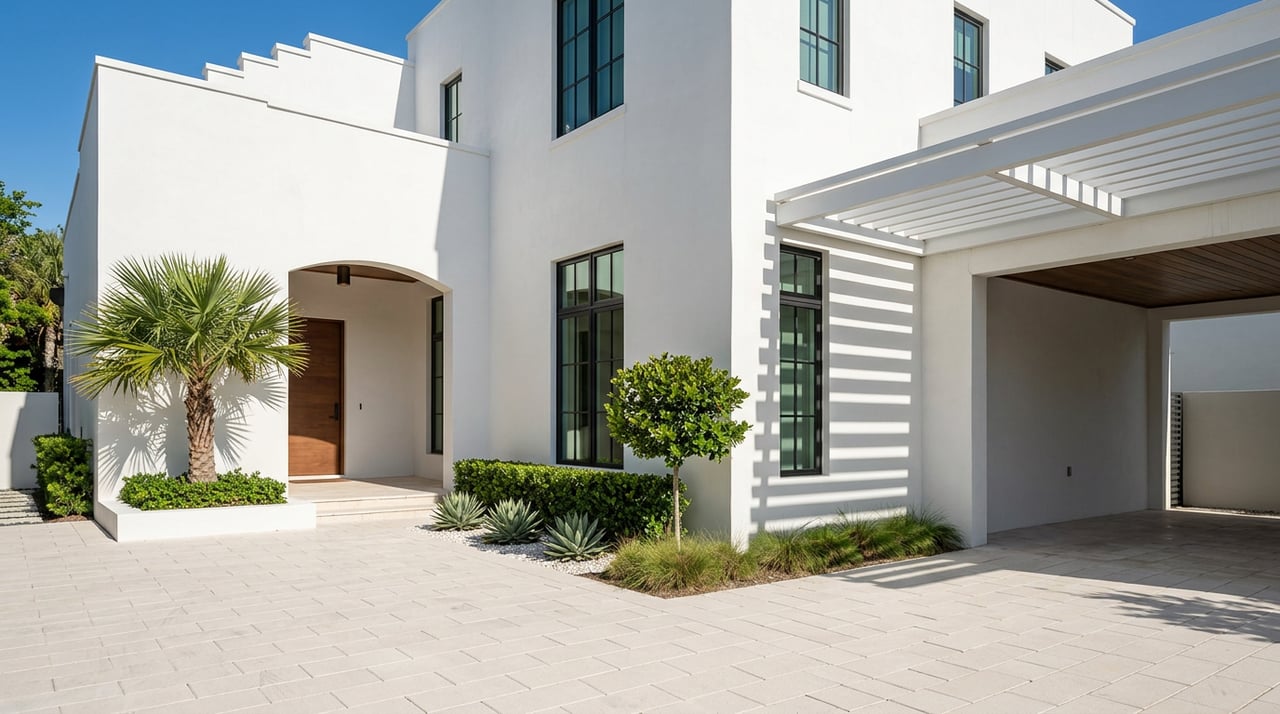
Before you compare returns, make sure you’re looking at the right map. Seagrove Beach sits on Scenic Highway 30A in Walton County and is part of the broader Santa Rosa Beach market, not Indian River County. You’ll see Seagrove described as a compact, premium submarket near Seaside and WaterColor with a high share of gulf-front and near-beach homes. For context on Seagrove’s location and history, see the Seagrove Beach entry on Wikipedia (Seagrove Beach, Florida).
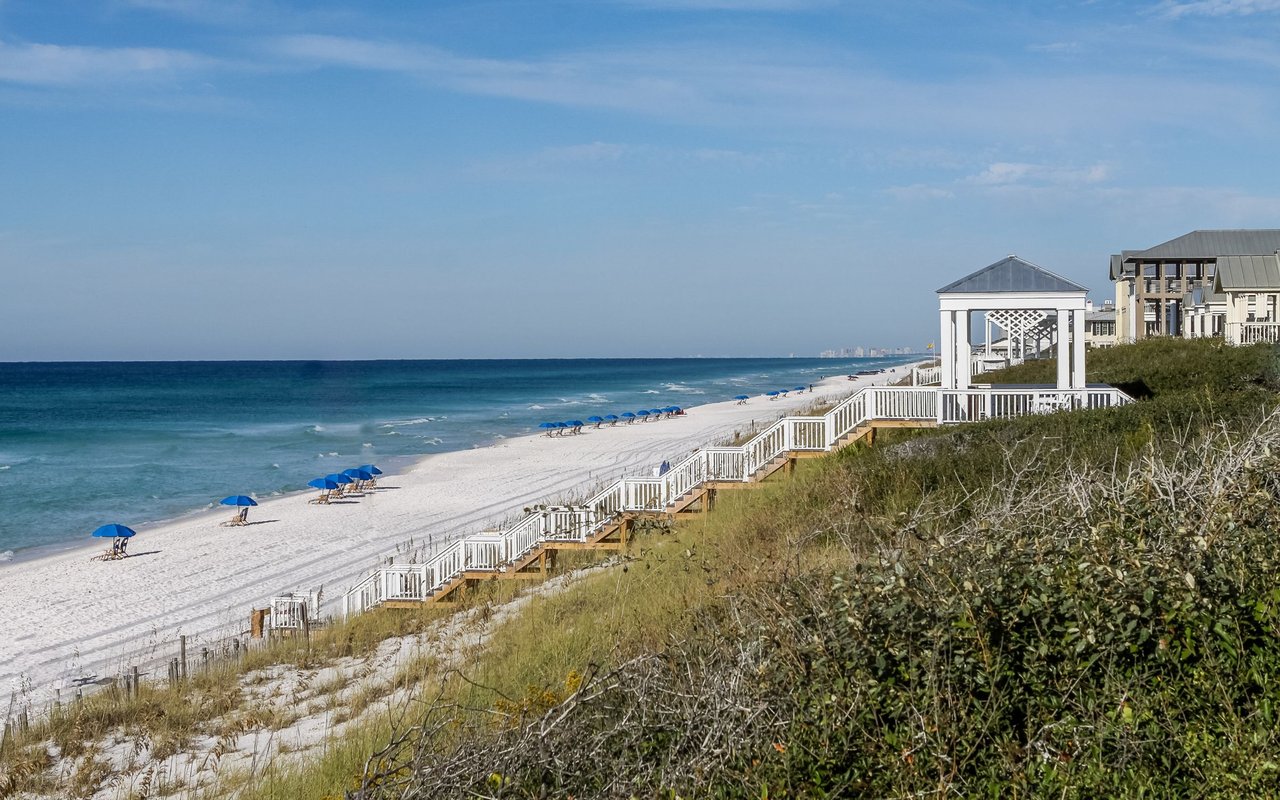
Santa Rosa Beach is commonly used as the broader market label for ZIP 32459. It includes Seagrove, Seaside, WaterColor, Grayton, and larger inland neighborhoods. That means ZIP-level statistics blend ultra-premium beachfront enclaves with more affordable inland product. To compare investments fairly, always map comps to the same micro-location and product type. Neighborhood-level market notes for 30A reinforce that micro-areas can move out of sync, so lean on immediate, like-kind comps rather than broad annual averages (30A Market Reports).
Seagrove Beach: Recent neighborhood listings and aggregator summaries point to a median sale price roughly in the 1.3 to 1.5 million dollar range, with many near-beach properties trading around 700 to 900 dollars per square foot. That reflects a high concentration of gulf-front and first-row beach product.
Santa Rosa Beach (ZIP 32459): ZIP-level medians have been reported in the roughly 1.1 to 1.2 million dollar range. Remember, that median mixes gulf-front luxury with larger inland subdivisions. For underwriting, compare like with like: for example, “Seagrove south of 30A, gulf-front 4-bedroom” versus “inland Santa Rosa Beach 3-bedroom cottage.” Using mixed-area averages can distort your ADR and occupancy assumptions.
Inventory rhythm: Along the 30A corridor, you’ll find pockets of softening and pockets of resilient demand. Month-to-month price and price-per-square-foot can shift by micro-area. Immediate comps and seller P&Ls beat macro medians when you are deciding offers or price.
At the county level, Walton County’s Vacation Rental Registration Program (VRRP) reports an average nightly rate of 542 dollars across registered properties. Use this as a baseline: gulf-front Seagrove homes can price well above it, while second-row and inland condos often come in below (Walton County VRRP Annual Report).
Local operator summaries suggest corridor-wide annual occupancy commonly sits in the 50 to 60 percent range for typical STRs. ADRs often land in the mid 500s to 700s depending on beach proximity, size, and amenities. Expect peak rates in late spring through summer, with lower shoulder and winter seasons (30A STR overview).
Zip-level walkability is low in Santa Rosa Beach, but that hides very walkable village cores adjacent to Seaside and WaterColor. Properties in these cores tend to see higher nightly rates and faster booking velocity because guests can walk or bike to dining, shops, and beach access. Inland or car-dependent locations can still perform well, but the booking profile often emphasizes family groups and longer stays rather than premium short stays.
Your mix of bedrooms, sleeping capacity, parking, and amenities like a pool or elevator will influence how you capture peak season pricing. Larger, amenity-rich homes near the beach can maintain stronger ADR through the peak window, while smaller inland units rely more on occupancy across the calendar. Build your revenue model month by month to reflect these differences.
Coastal insurance premiums remain elevated and vary by carrier and property specifics. Obtain wind, flood, and liability quotes tied to current replacement costs before you close. Pull the elevation certificate and FEMA flood maps, and check the parcel’s modeled flood risk to price mitigation and premiums into your proforma (Flood model reference).
Choose Seagrove when your strategy depends on premium ADR and you’re comfortable with higher acquisition pricing for gulf-front or first-row proximity to Seaside and WaterColor. Walkable village locations often monetize through shorter, higher-rate stays and faster booking velocity. If you plan a high-service, amenity-forward STR — think pool, elevator, high capacity, premium finishes — the ADR uplift in Seagrove can more than cover higher operating and insurance costs.
Pick a broader Santa Rosa Beach location when you want a lower entry price, steady family bookings, and cash-on-cash targets that favor occupancy over top-tier ADR. Inland sites can also offer more insurance options and potentially lower flood exposure. If your model leans on longer stays and value pricing, you can deliver solid returns without paying for first-row premiums.
Use the same framework for each property so you can compare apples to apples.
Use this to grade two finalists side by side in minutes.
Ready to compare a Seagrove listing against a broader Santa Rosa Beach option with a lender-grade model? Let’s build it together and pressure test the assumptions.
Schedule a numbers-first consultation with Darren Koenenn to review comps, model returns, and align your purchase strategy to your goals.
Stay up to date on the latest real estate trends.

We pride ourselves in providing personalized solutions that bring our clients closer to their dream properties and enhance their long-term wealth. Contact us today to discuss all your real estate needs!
KOENENN GROUP
2048 W COUNTY HIGHWAY 30A STE 107 SANTA ROSA BEACH FL 32459