Gulf-Front vs Gulf-View 30A: Defining Gulf Access
January 8, 2026
January 8, 2026
Are you scrolling 30A listings and seeing Gulf-front, Gulf-view, and Gulf access used like they mean the same thing? When you are buying in Santa Rosa Beach, those labels carry real implications for access, insurance, and value. This guide breaks down what each term means on 30A, how they show up in listings, and what you should verify before you write an offer. You will also get a practical checklist to make smarter decisions with confidence. Let’s dive in.
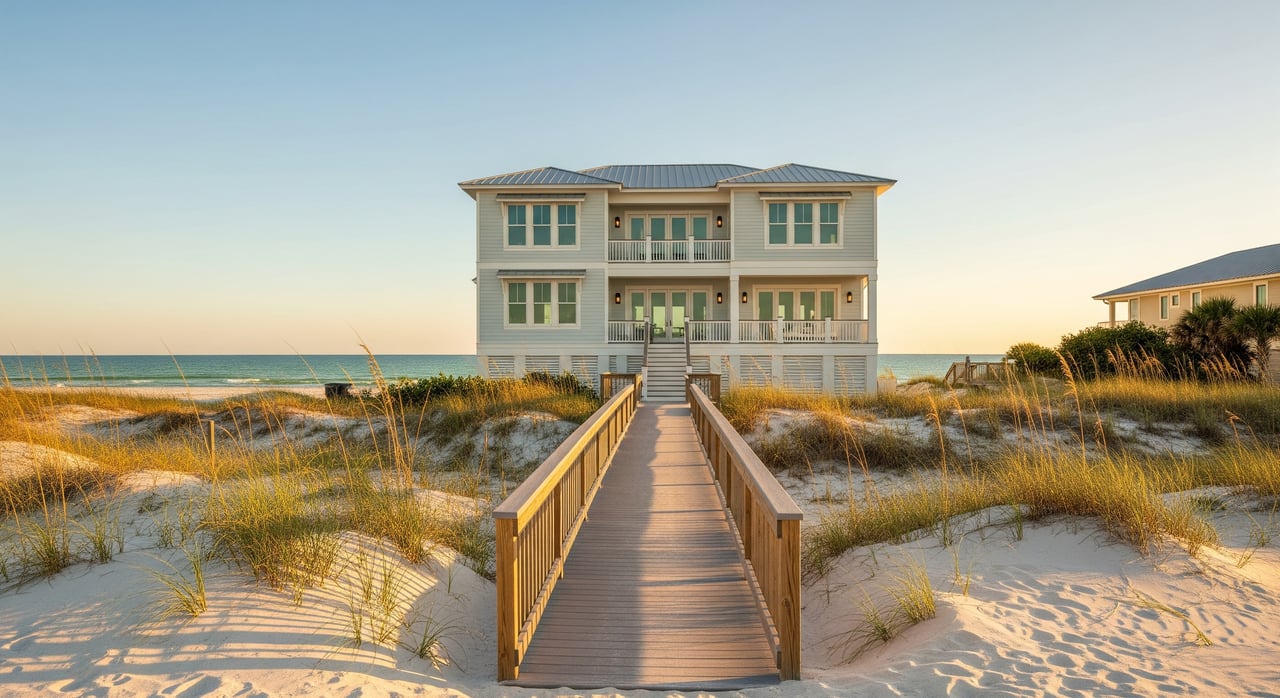
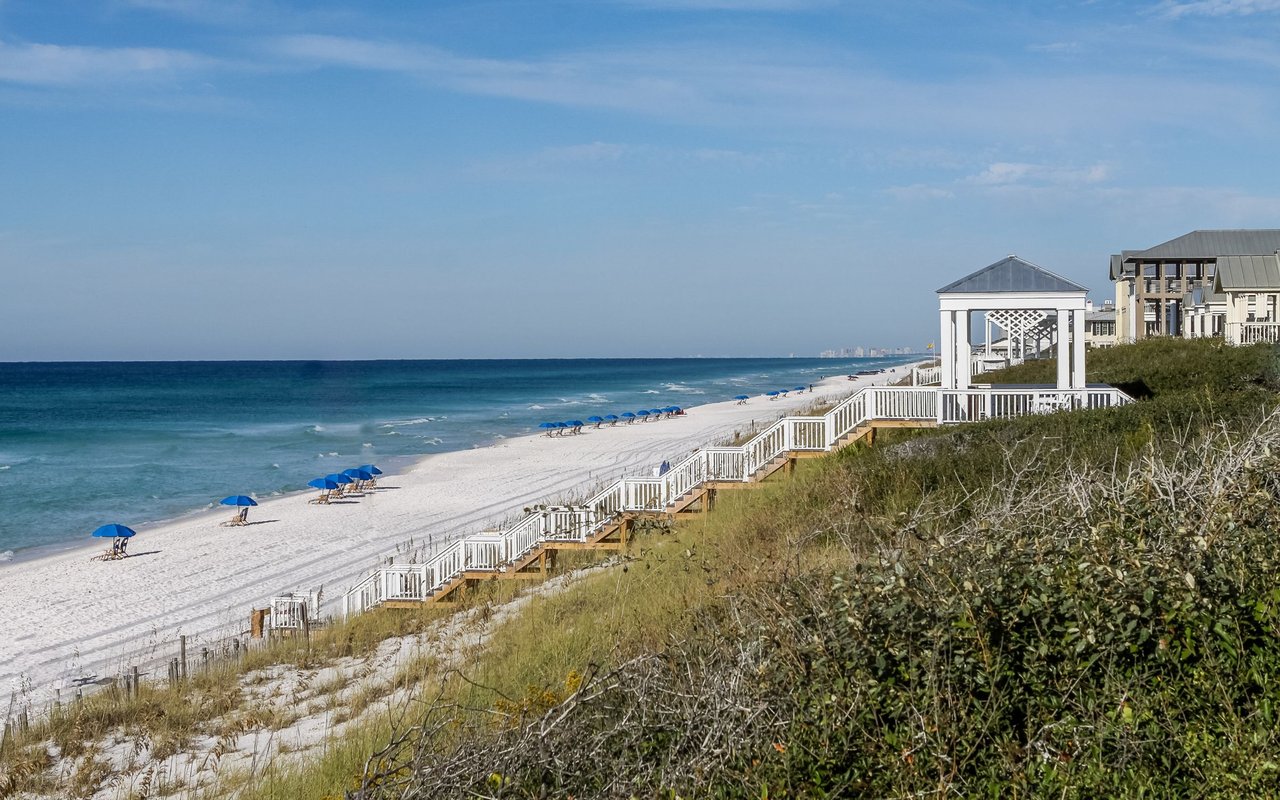
Gulf-front typically means your lot line or primary building line directly abuts the beach and dune system that faces the Gulf of Mexico, with no other private or public property in between. In practice, you often have direct and usually unobstructed access to the beach from the property, sometimes via a private walkover. The marketing term “Gulf-front” describes location and view, but it does not grant special rights beyond your recorded property boundaries and any easements.
In Florida, private ownership commonly ends at the mean high-water line. Lands seaward of that line are state-controlled sovereignty lands. Public use typically extends to the wet sand areas seaward of that line, which is why frontage does not equal private control of the entire beach area.
Gulf-view means you can see the Gulf from some part of the property, such as an upper-floor balcony or a main living area, but your lot does not directly touch the beach. There may be homes, roads, public access points, dunes, or vegetation between you and the shoreline. You will see variations like “partial Gulf view,” “distant Gulf view,” or “direct Gulf view” to signal the quality of the view. “Panoramic” is a marketing phrase, not a legal term.
Because views can change, confirm where the view is from and whether nearby growth, setbacks, or vegetation could reduce it over time.
Gulf access means you can reach the beach from your property, but the form of access varies. It might be a recorded easement that is deeded to your lot, a community or HOA-managed walkover for owners and guests, or a nearby public access point. The differences matter for privacy, convenience, and value.
“Gulf access” does not always mean a short or easy walk. Distance, stairs, boardwalks, and street crossings all affect your daily experience.
MLS systems use structured fields like “Waterfront,” “Water View,” “Waterfront Type,” and sometimes “Waterfront Details.” Those fields help, but the agent’s descriptive language often carries extra claims, such as “short walk to the beach,” “private beach access,” or “rare Gulf-front lot.” Treat those phrases as prompts to verify, not proof on their own.
Ask for specifics. If a listing claims “deeded access,” request the recorded document. If it says “Gulf-front,” ask for the survey or plat that shows the lot line abutting the dune system.
Aerial photos, parcel maps, and plats are great tools to confirm what words cannot. Review how the lot sits relative to dunes, roads, and other homes. Note the elevation changes, the number of stair flights on a walkover, and any public access points nearby that may affect privacy or seasonal activity.
You can save time and avoid surprises by confirming a few items early in your search. Focus on recorded rights, true lot lines, and flood and construction constraints.
As a general rule, Gulf-front properties command the highest prices per square foot because of direct access, unobstructed views, and strong rental demand. Gulf-view homes and condos usually price above inland options but below true frontage. Properties with private or deeded Gulf access fall in the middle, and the premium depends on exclusivity, proximity, and walk time.
Scarcity drives value on 30A. True Gulf-front parcels are limited by geography, erosion risk, and coastal regulations. Walkability to popular nodes like Seaside, WaterColor, Alys Beach, or Grayton Beach can also push demand. Condos with strong views may offer a lower entry point and appealing rental income, while single-family Gulf-front parcels often trade with a higher land premium.
Market premiums shift with cycles and micro-location. For a precise read, compare recent solds in the immediate Santa Rosa Beach submarket you are targeting.
Flood insurance is more likely to be required and cost more for Gulf-front and low-elevation Gulf-view properties, especially in AE or VE zones. Wind and hurricane coverage can be a significant line item for any coastal home in Walton County. Carriers, deductibles, and availability change over time, and some owners use state-backed options or private markets.
Elevation and mitigation matter. Homes on pilings or raised foundations can reduce flood exposure and may help with premiums. Work with your insurance professional early, gather quotes during diligence, and budget for realistic wind and flood costs before you close.
Larger and more valuable Gulf-front parcels often carry higher property taxes. Communities with private or deeded beach access may have HOA fees that fund walkover maintenance, dune protection, and access management. Across the coast, expect higher ongoing maintenance for HVAC, exteriors, and metals due to salt exposure.
Dune systems are protected, and access walkovers are often permitted with strict standards to preserve the dunes. The Coastal Construction Control Line and local setbacks limit where and how you can build, rebuild, or expand. If you plan renovations or a new walkover, confirm what is permissible before you assume you can add it.
Private or deeded access offers limited crowds, easier daily routines, and predictable maintenance, which many second-home owners value. Public access points can be closer to amenities and services but may be busier during peak season. Your comfort level with seasonal activity and parking should guide your choice.
Some 30A neighborhoods and public access points use permit systems, limit on-street parking, or set timed restrictions in peak months. Vacation rentals often face specific parking rules in HOA documents. If your plan includes hosting guests or renting, make sure parking capacity matches your goals.
Coastal maintenance is a constant. Salt accelerates wear on metals, exterior paint, and mechanical systems. Dune restoration and beach nourishment projects can alter access points or walkover conditions from time to time. Budget time and funds for routine upkeep and stay informed about local projects that may affect your frontage or access.
Many owners rent on a short-term basis, but HOA rules or deed restrictions may limit rental duration, require minimum stays, or mandate registration. Review those documents early if rental income is part of your plan, and confirm any municipal requirements that apply.
When you are ready to align lifestyle, carry costs, and long-term value on 30A, connect with a local advisor who combines coastal nuance with data-driven counsel. For a clear, proforma-minded plan tailored to your goals, schedule a consult with Darren Koenenn.
Stay up to date on the latest real estate trends.

We pride ourselves in providing personalized solutions that bring our clients closer to their dream properties and enhance their long-term wealth. Contact us today to discuss all your real estate needs!
KOENENN GROUP
2048 W COUNTY HIGHWAY 30A STE 107 SANTA ROSA BEACH FL 32459