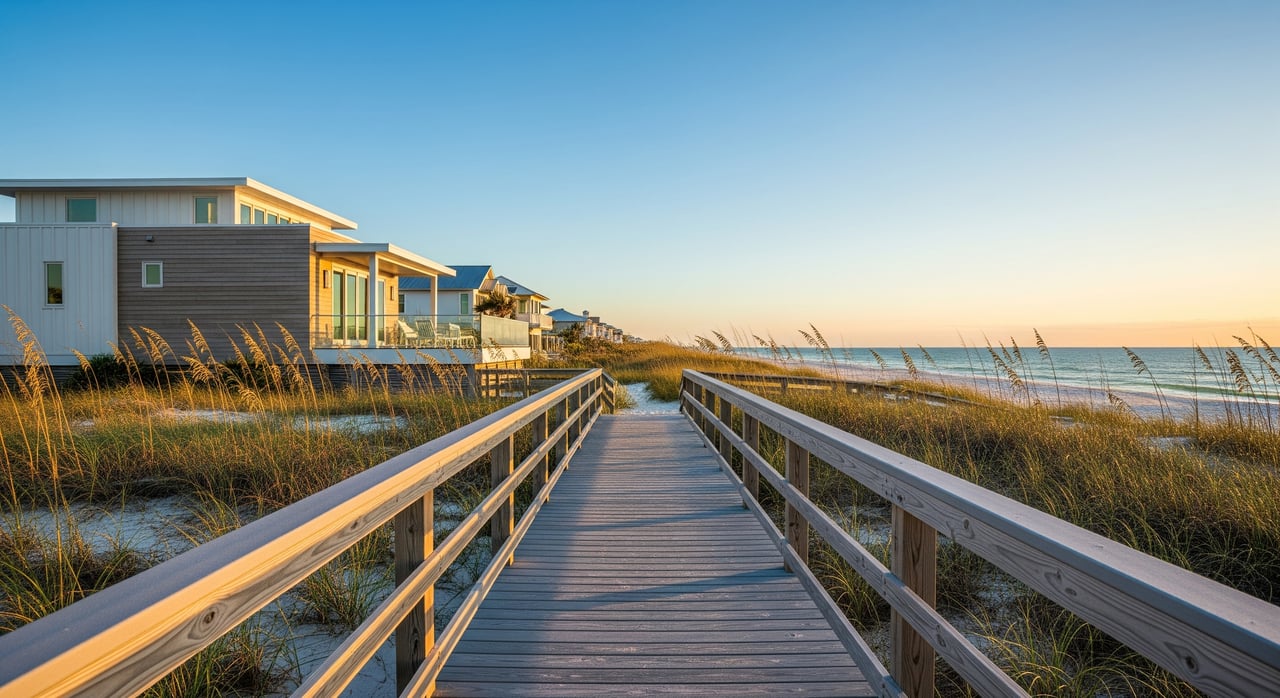
Understanding Inlet Beach Public Beach Access and Parking
January 22, 2026
January 22, 2026
Is “private beach” really private in Inlet Beach? If you are buying from out of the area, the rules about public shoreline, deeded walkovers, and parking can feel confusing. You want easy days by the Gulf without hassles or surprises. In this guide, you’ll get clear, practical insight into how access works, what to expect with parking and seasons, and how access location can shape both your lifestyle and resale potential. Let’s dive in.
Florida treats the area seaward of the mean high-water line as held in the public trust. In simple terms, the “wet-sand” zone is generally open for public use. The “dry-sand” area landward of that line is often private unless a public easement or dedicated access exists. That’s why you will see public boardwalks and walkovers that lead you to the shoreline.
Walton County oversees and maintains official public access points, posts rules, and manages amenities on the landward side. State agencies set broader coastal policy and support access and shoreline projects. You will also find rules tied to dune protection, coastal construction, and outdoor lighting for sea turtle season. If you plan any exterior changes, expect local and state code review.
Properties near the Gulf often sit in FEMA flood zones, including higher-hazard VE zones. That can affect building elevation, lending, and flood insurance premiums. When you evaluate a home, confirm the flood zone, finished-floor elevation, and any mitigation features.
Inlet Beach has a mix of public, private, and commercial-adjacent access points. Exact names, counts, and features can change, so verify current details with Walton County and the local tourism office before you buy.
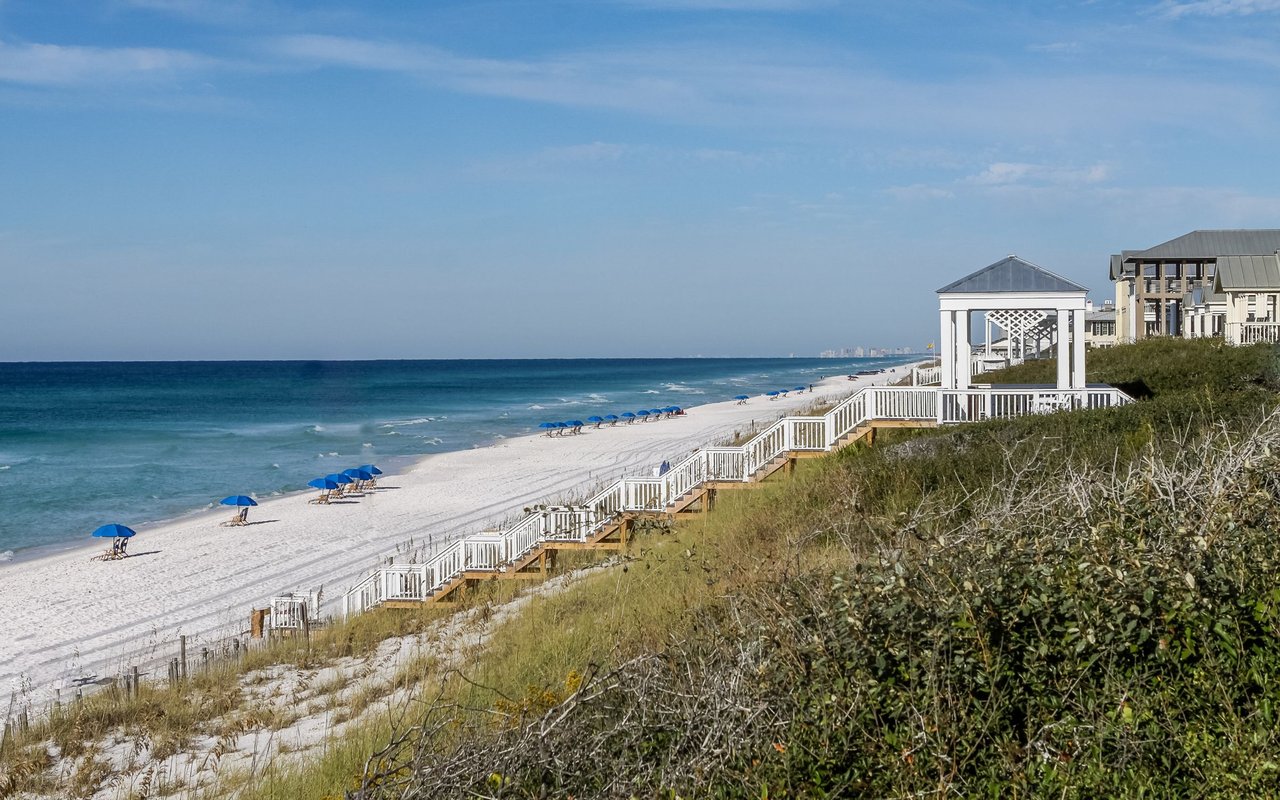
Official county or state accesses typically include a boardwalk or dune crossover and clear signage. Some have small parking lots or on-street parking nearby. Larger accesses may offer restrooms, outdoor showers, lifeguard coverage in season, and bike racks. Ramps or lifts can provide ADA access at select locations. Posted signs outline hours and rules for pets, fires, and vendors.
Some homes, condos, and neighborhoods have private walkovers or recorded easements for owners and guests. These provide a more direct route to the sand, which many buyers value. Remember, private access does not make the wet-sand area private. Confirm who can use a walkover, who maintains it, and what the governing documents say about costs and repairs.
Near restaurants, parks, or beach-serving businesses, you may find public accesses with adjacent parking. Private business lots may have their own rules and time limits. Read posted signs closely.
In some spots you’ll see smaller, non-paved paths with limited or no parking. These are helpful for walkers and cyclists but may not serve larger groups or guests who need parking.
Parking availability is one of the biggest variables that shapes day-to-day convenience. If your property does not have private access or generous on-site parking, the nearest public lot becomes part of your daily routine.
Local governments post rules at access points. Before you plan a beach day or a rental welcome book, confirm the latest on:
Not all “near the beach” homes live the same. The exact access point, stairs, and amenities can change how a property feels day to day.
A 0–5 minute walk to a maintained access feels very different from a longer walk with stairs or soft-sand paths. Boardwalks, ramps, and fewer stairs improve daily use for families with strollers or anyone carrying beach gear. If you care about quick morning swims or sunset walks, prioritize direct paths and maintained crossovers.
Homes closest to popular public accesses can see more foot traffic, street parking, and noise. That extra energy can be a plus for some and a drawback for others. If you prefer quiet, consider homes set back from the busiest entries or those with private easements.
Properties with direct, deeded, or very easy public access tend to rent more easily and command stronger rates. Parking and proximity to restaurants, paths, and restrooms also help performance. Buyers often pay a premium for better access and views, though the size of that premium varies by micro-market. You need local comps to quantify it.
Closer proximity to the shoreline often increases exposure to storm surge and erosion. That can mean higher flood insurance premiums and stricter elevation and mitigation rules for improvements. If a property includes a private walkover, confirm who maintains it and budget for repairs after storms.
On a normal summer day, you may bike or walk to an access with a boardwalk, rinse off at an outdoor shower, and grab lunch nearby. On busy weekends, public lots can fill early, so you might opt for an earlier start or plan a late-afternoon visit. Families often look for lifeguard stands during the busiest season and choose accesses that post rules clearly.
In the evening, you will see reminders about sea turtle lighting and dune protection. Keep exterior lights shielded and follow posted guidance during nesting season. If your home hosts guests, these rules belong in your house manual.
Look for a home with a deeded walkover or a very short, flat walk to a maintained public access. Confirm ADA features if that matters to your household.
Target homes a bit removed from the largest public accesses. A quiet street with limited on-street parking can reduce spillover traffic.
Favor properties with easy access, good on-site parking, and proximity to attractions. Clear access plus convenience features often improve occupancy and reviews.
Focus on accesses with ramps, lifts, or minimal stairs. Confirm ADA parking and the condition of the crossover before you buy.
Use this list to verify details before you write an offer or your inspection period closes.
If you are buying for personal use, weigh your daily routine first. Short, stair-free access and nearby amenities make life easier. If you are buying for rental income, parking, access convenience, and proximity to restaurants or paths often drive stronger reviews and repeat bookings. Either way, factor in flood insurance, maintenance of any private walkovers, and seasonal rules when you model total cost of ownership.
Beach access in Inlet Beach is simple once you separate what is public, what is private, and how you actually reach the shoreline each day. Focus on the exact access point, the walk, the stairs, and the parking. Confirm the rules and responsibilities in writing. With the right guidance, you can choose a home that fits your lifestyle and supports long-term value.
If you want help mapping access points, confirming easements, and modeling how access affects resale and rental performance, connect with Darren Koenenn for a focused, numbers-first consultation.
Stay up to date on the latest real estate trends.



We pride ourselves in providing personalized solutions that bring our clients closer to their dream properties and enhance their long-term wealth. Contact us today to discuss all your real estate needs!
KOENENN GROUP
2048 W COUNTY HIGHWAY 30A STE 107 SANTA ROSA BEACH FL 32459