Trying to decide where to buy in Santa Rosa Beach can feel like three different markets in one. You have the 30A beachfront scene, the calm bayfront with docks and sunsets, and the inland neighborhoods north of Highway 98. Each delivers a different mix of price, rental potential, and day-to-day lifestyle. This guide breaks down the tradeoffs so you can pick the right fit for your goals. Let’s dive in.
How the area divides
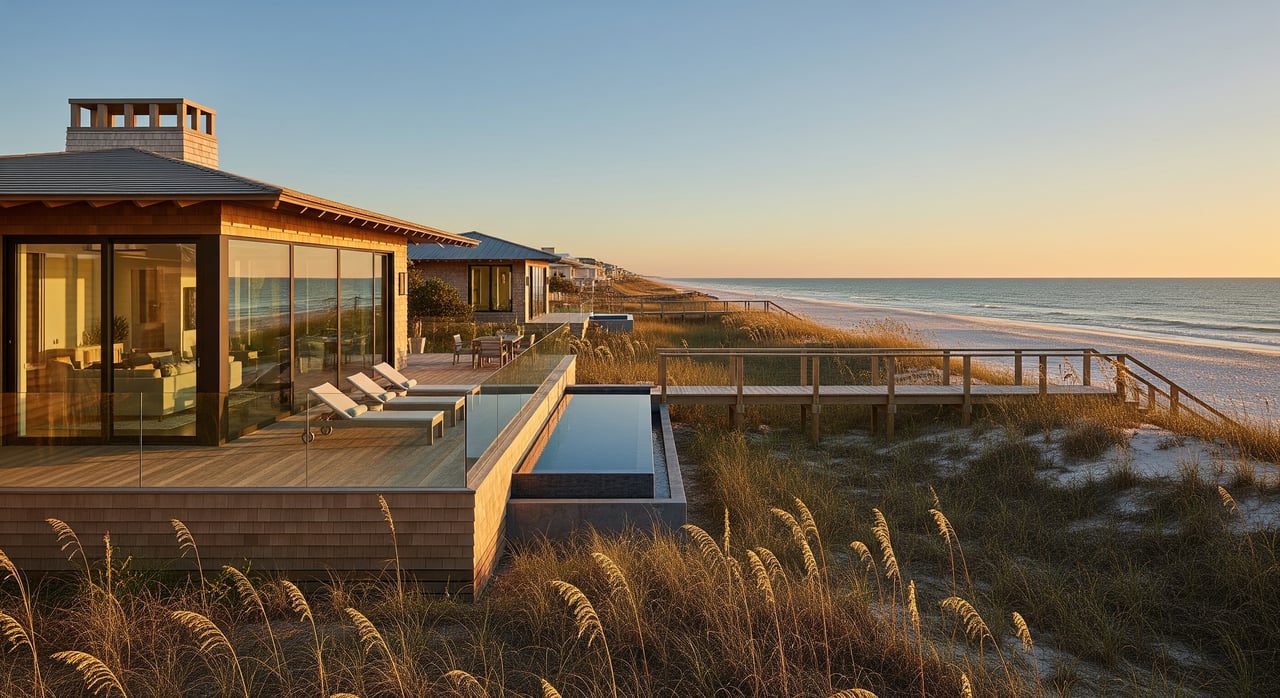
Gulf-front and 30A corridor
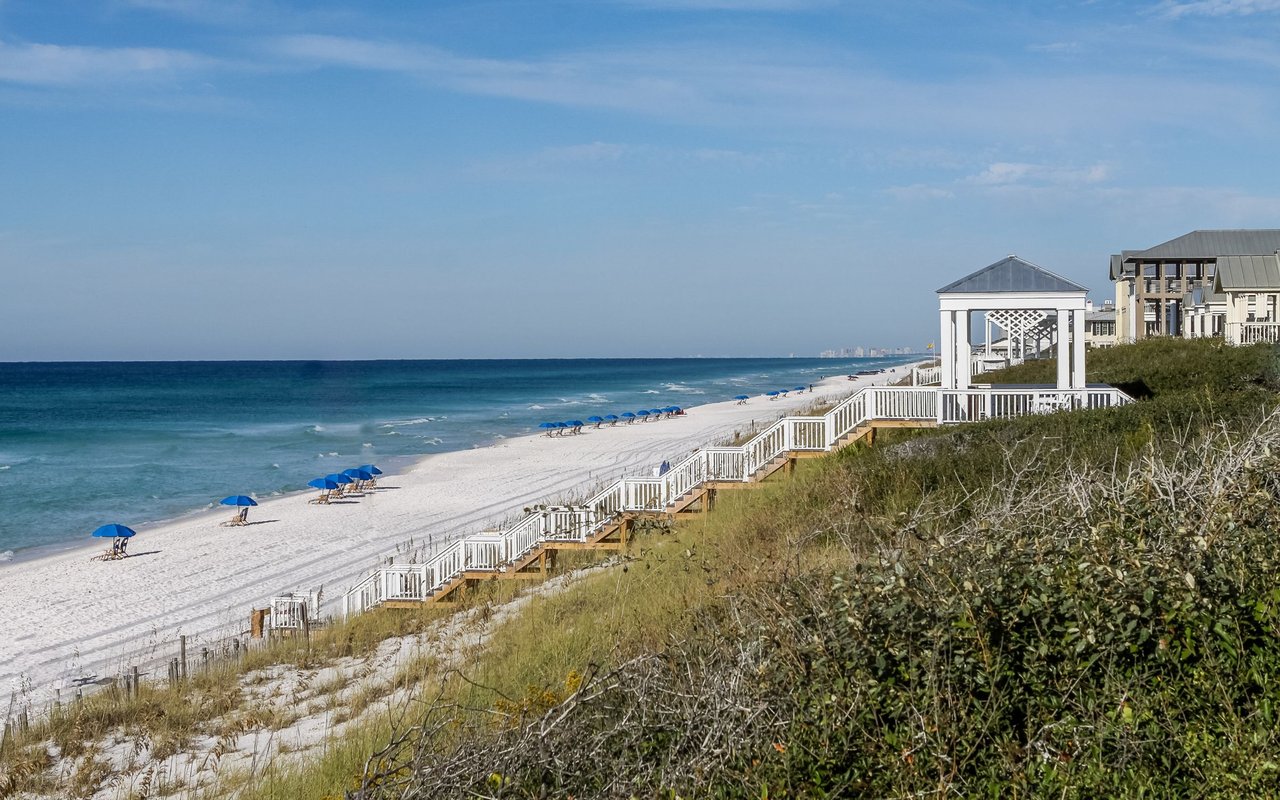
Gulf-front covers properties directly on the Gulf of Mexico and within the primary 30A beach communities. You will find beachfront condos, beach cottages, and luxury homes near restaurants, boutiques, and bike paths. Demand is driven by beach access and proximity to well-known 30A villages.
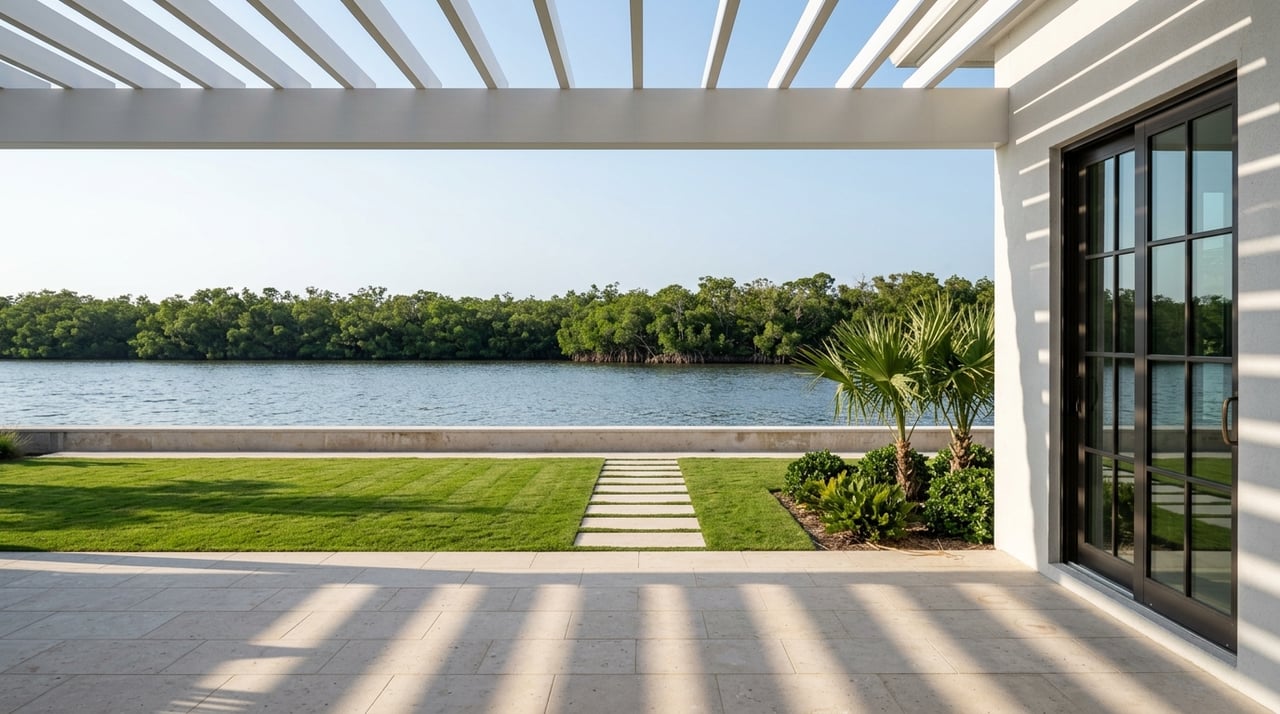
Bayfront on Choctawhatchee Bay
Bayfront homes sit on or near the bay with calmer waters, private docks, and boat access. Many lots are deeper and set up for waterfront living. Fewer large resort complexes exist here compared to the gulf side, which keeps things quieter.
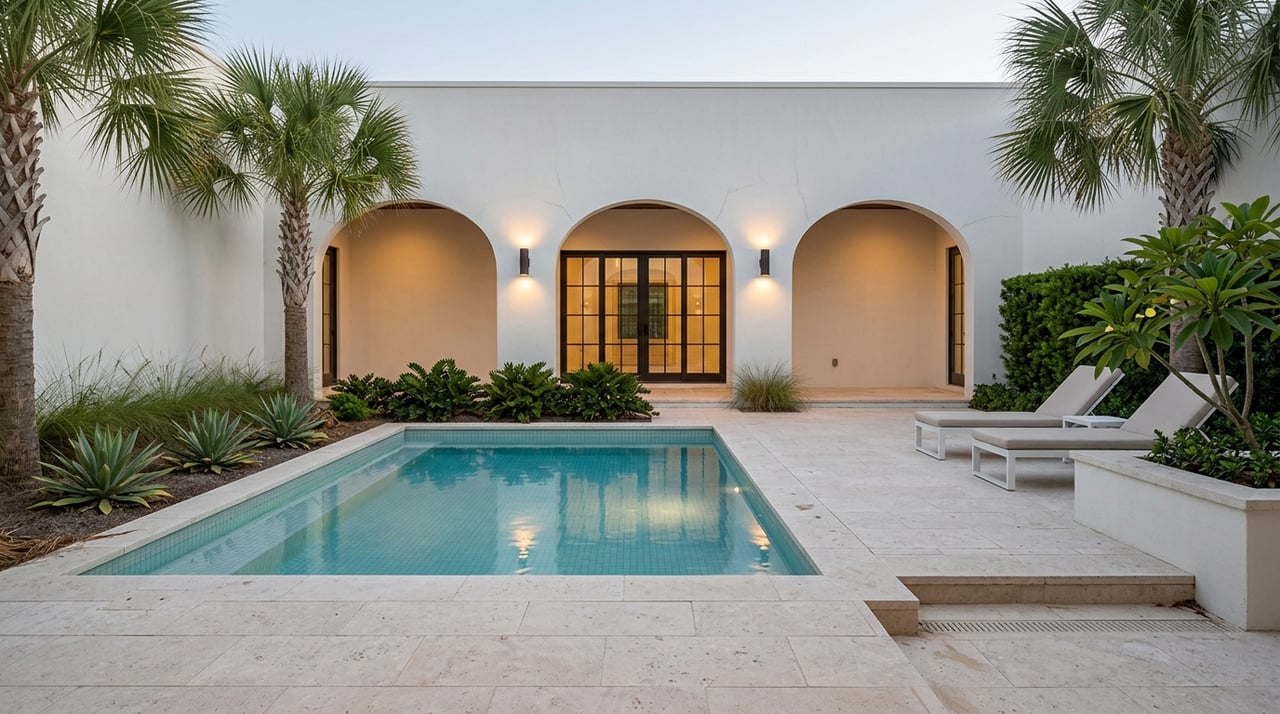
North of Highway 98
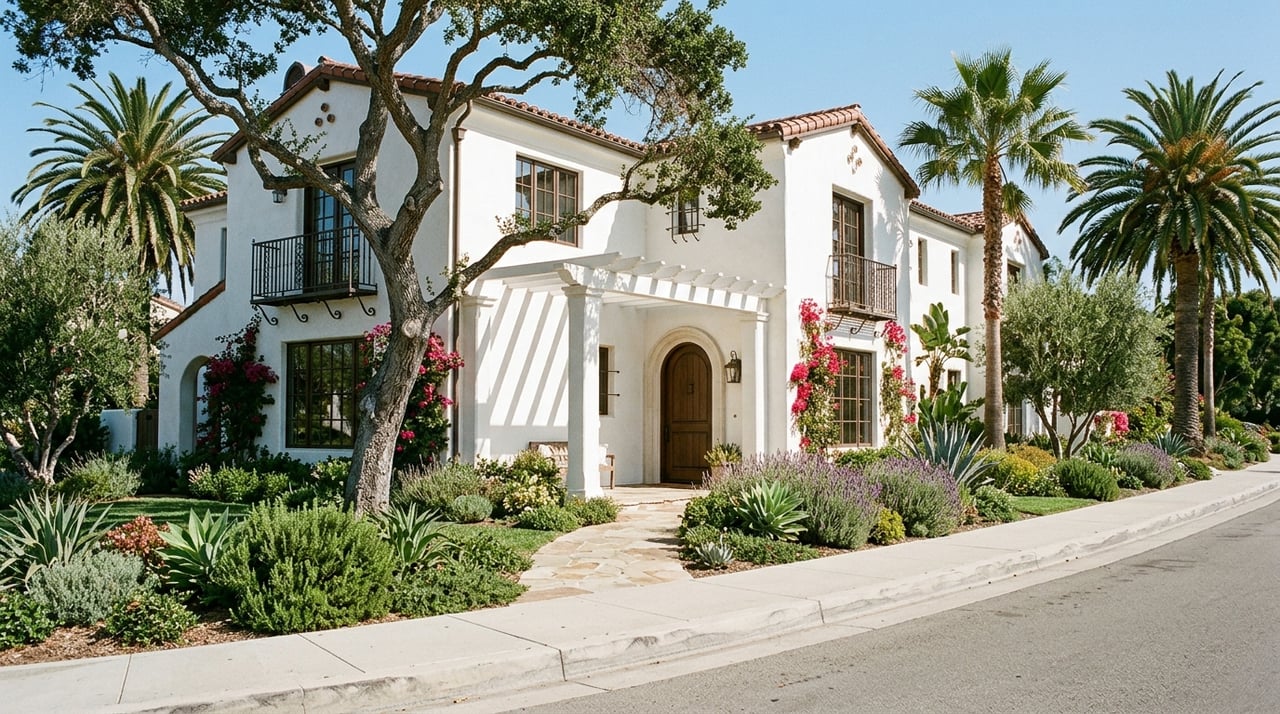
North of 98 is more inland. You will see newer subdivisions, larger lots, and communities designed for year-round living. Buyers choose this area for affordability, space, and a lower daily management burden.
Price and value trends
Entry costs and price per square foot
- Gulf-front typically has the highest prices and highest price per square foot.
- Bayfront usually sits in the mid to high tier. Deepwater access and private docks can push prices near gulf levels in select cases.
- North of 98 is generally the most affordable, offering larger homes at lower per-square-foot costs.
Appreciation patterns
- Gulf-front shows strong long-term appreciation due to limited beachfront supply and steady second-home demand.
- Bayfront appreciates with utility. Docks, deepwater access, and protected views are key value drivers.
- North of 98 tends to show steadier, less volatile appreciation tied to regional growth and in-migration.
Liquidity and competition
- Gulf listings can turn over fast in high season, especially standout properties.
- Bayfront supply is limited for homes with quality docks and water depth, which keeps competition strong for the best parcels.
- North of 98 offers more inventory, including new construction, with steadier sales cycles.
Rental performance by area
Gulf-front short-term rentals
Gulf-front properties attract the highest nightly rates and strong summer and spring occupancy. Peak pricing clusters around holidays and summer. Many operate as short-term rentals and benefit from beach access and 30A walkability.
Bayfront rental niche
Bayfront performs well with boaters and families who prefer quieter water and space. Nightly rates and occupancy can trail gulf-front, but shoulder seasons often stay strong thanks to fishing and boating demand.
North of 98 long-term focus
North of 98 can support short-term rentals in many neighborhoods, but typical nightly rates are lower than the gulf and bay. The area often works best for long-term rentals or owner-occupants who want lower turnover.
Operating costs to budget
- Gulf-front: higher wind and flood insurance, salt-air maintenance, higher cleaning and management for frequent turnovers, and potentially higher property taxes.
- Bayfront: wind exposure is similar, but surf and direct hurricane impact can be lower than open gulf. Docks bring added maintenance, permitting, and insurance.
- North of 98: often lower wind and flood premiums depending on elevation, lower turnover costs, and more municipal sewer availability in many neighborhoods.
Homes and lot patterns
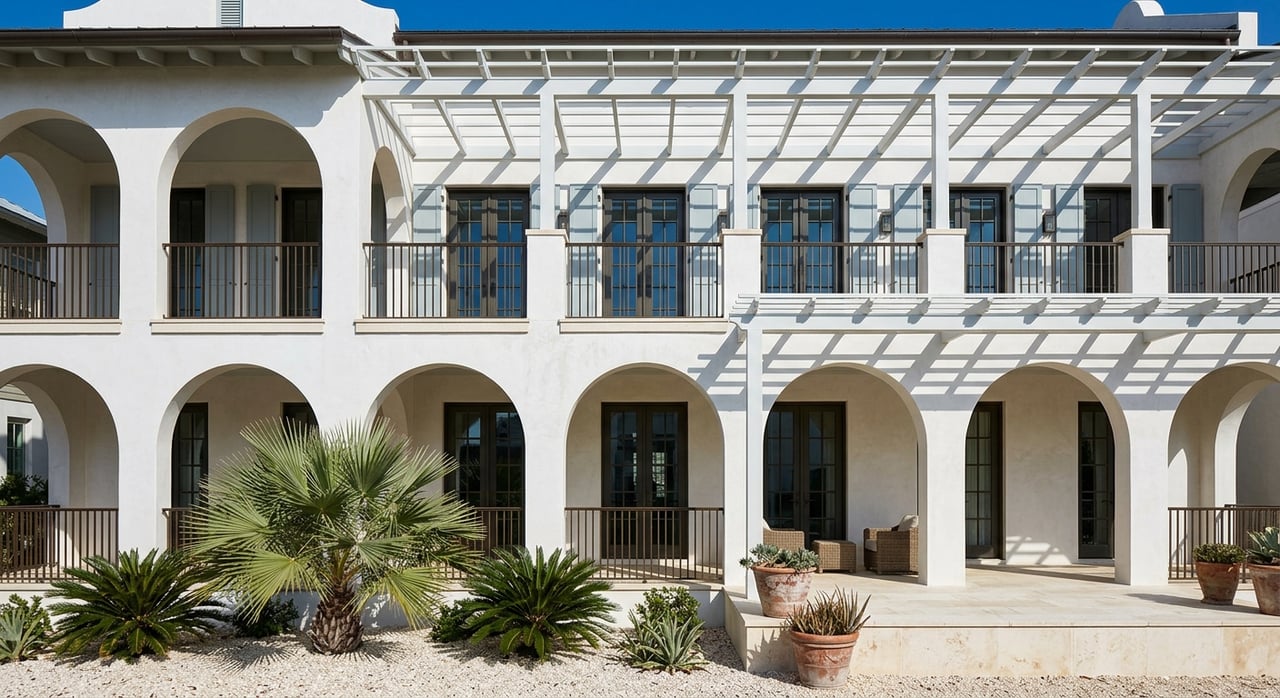
- Gulf-front: stacked condos, elevated cottages, and contemporary coastal homes with hurricane-rated features. Dune setback rules and coastal construction codes shape what you can build.
- Bayfront: elevated single-family homes with docks, coastal cottage to coastal modern styles, and some bay-facing condos. Dock permitting and riparian rights are key.
- North of 98: single-family homes in subdivisions, townhomes, and modern farmhouse or coastal-modern builds. Verify septic versus sewer and subdivision covenants before you bid.
Flood, insurance, and access
- Flood risk: Gulf-front faces the highest storm-surge risk; bayfront can see tidal flooding and surge depending on location. North of 98 can be on higher ground, but you should always confirm FEMA flood maps and elevation certificates.
- Insurance: Wind mitigation features like shutters, roof clips, and hurricane straps can lower premiums. Obtain flood and wind quotes early, plus a wind mitigation inspection estimate.
- Infrastructure: Confirm sewer versus septic, parking capacity, and access. Seasonal traffic along 30A and US‑98 can affect daily living and rental appeal.
Lifestyle at a glance
- Gulf-front: walkable beach access, dining, and retail with a tourism-forward vibe. Expect more activity and seasonal noise.
- Bayfront: boating, fishing, sunsets, and privacy. Close to 30A amenities without heavy foot traffic.
- North of 98: quieter, suburban feel with larger lots and year-round services nearby. Suited to full-time residents and retirees who value space.
Match goals to micro-market
- If your goal is premium short-term rental revenue and a pure beach lifestyle, focus on gulf-front condos and single-family homes. Verify HOA rules, dune setbacks, flood zone, manager capacity, and insurance costs.
- If your goal is boating access and a quieter setting with steady rental niche demand, focus on bayfront homes with existing docks and adequate water depth. Confirm dock permits, maintenance needs, and any marina rules.
- If your goal is affordability, long-term appreciation, and full-time living, focus on North of 98 communities. Check commute times, services, septic versus sewer, HOA covenants, and any builder warranties on new construction.
- If you want blended use, weigh a gulf villa for owner weeks plus high rental yields versus a bayfront home you will enjoy frequently with seasonal rentals.
On-the-ground checklist
Legal and regulatory
- Confirm short-term rental registration and permit history if applicable.
- Obtain HOA covenants, rental rules, special assessments, and design codes.
- Review title for deed restrictions or public access easements.
Physical and insurance
- Pull FEMA flood zone data and ask for an elevation certificate.
- Get multiple wind and flood insurance quotes, and verify hurricane deductibles.
- Inspect roof, windows and doors, HVAC, and utilities. For bayfront, verify dock permits, seawall condition, riparian rights, and water depth.
Market and operations
- Request historical rental performance with occupancy, ADR, gross revenue, and owner net after fees.
- Ask for recent comparable sales and rental data from local MLS and property managers.
- Confirm parking capacity and any seasonal parking restrictions.
Access and neighborhood context
- Measure distance to grocery, hospital, emergency services, and the airport.
- Drive routes along US‑98 and 30A in peak and shoulder seasons to feel traffic patterns.
- Visit at different times of day to assess noise and activity levels.
Next steps
- Engage a local agent who understands the differences within Gulf-front, Bayfront, and North of 98.
- Speak with at least two property managers to review sample P&Ls and seasonal demand.
- Order elevation certificates and insurance quotes early in your search.
- Collect HOA documents and STR permit history before you write an offer.
- For bayfront, verify dock and seawall records and understand ongoing maintenance.
Ready to map your goals to the right Santa Rosa Beach micro-market and run the numbers with confidence? Schedule a consultation with Darren Koenenn to align lifestyle, risk, and return in a clear plan.
FAQs
Which Santa Rosa Beach area offers the best short-term rental returns?
- Gulf-front usually commands the highest nightly rates and peak season income, while bayfront serves a strong boating niche and North of 98 often works best for long-term rentals.
Are short-term rentals allowed across all neighborhoods in Santa Rosa Beach?
- No, rules vary by Walton County and by HOA; confirm registration needs, minimum stays, and permit history for each property before you buy.
How does insurance differ between Gulf-front, Bayfront, and North of 98?
- Gulf-front typically has the highest wind and flood costs; bayfront can be slightly lower for surf exposure but adds dock coverage, and North of 98 often sees lower premiums depending on elevation.
What building or site constraints should I expect near the water?
- Gulf-front lots face dune setback and coastal construction codes; bayfront properties need dock permits and must consider riparian rights and seawalls.
How should I verify rental performance before making an offer?
- Request documented rental history with occupancy, ADR, and net proceeds, and compare with local comps and property manager projections for a realistic outlook.